
Digital Marketing Agencies in St. Thomas: Prepare an Internet Marketing Brief
If you are looking for digital marketing agencies in St. Thomas, Ontario, start by defining the job you want the relationship to do. The strongest choice is usually not the agency with the broadest menu. It is the one that can match your business goals, audience, website condition, search visibility needs, advertising plans, content needs, analytics setup, ownership requirements, and reporting expectations.
A useful brief helps you compare options on substance instead of promises. It also makes it easier to ask for a proposal that reflects your actual situation, rather than a generic package. That matters because online marketing often combines several parts of the same system, including your site, search visibility, listings, paid campaigns, content, and follow-up tracking.

What a good internet marketing brief should cover
Before you speak with a provider, write down what success means for your business. Keep it specific enough that the work can be scoped, but not so narrow that it hides the real need.
1. Business goals
Start with the outcome you want. Common goals include more qualified enquiries, better local visibility, stronger brand awareness, improved website performance, or a clearer way to measure marketing activity. Avoid asking for guaranteed ranking, traffic, or revenue results. Those depend on many factors outside any one provider's control.
Instead, ask how a provider would support your goal, what they would prioritise first, and how they would measure progress over time.
2. Audience
Describe who you want to reach. Include the type of customer, their location if relevant, the questions they ask before contacting you, and what might stop them from choosing you. A provider can build better strategy when they understand whether you are targeting local residents, neighbouring communities, repeat customers, or a more niche audience.
Audience detail also affects channel choice. For example, some businesses need stronger local search visibility, while others need content that explains a service in plain language before a visitor is ready to contact them.
3. Current website
Your website is often the starting point. A useful brief should note whether the site is new, outdated, hard to update, difficult to navigate, or missing clear calls to action. You should also note whether the site already has forms, booking tools, landing pages, location pages, or service pages that need work.
This matters because an agency may recommend website changes before, or alongside, search and advertising work. If the site does not clearly explain what you do, paid traffic and search visibility may not convert as well as they could.
4. Search visibility
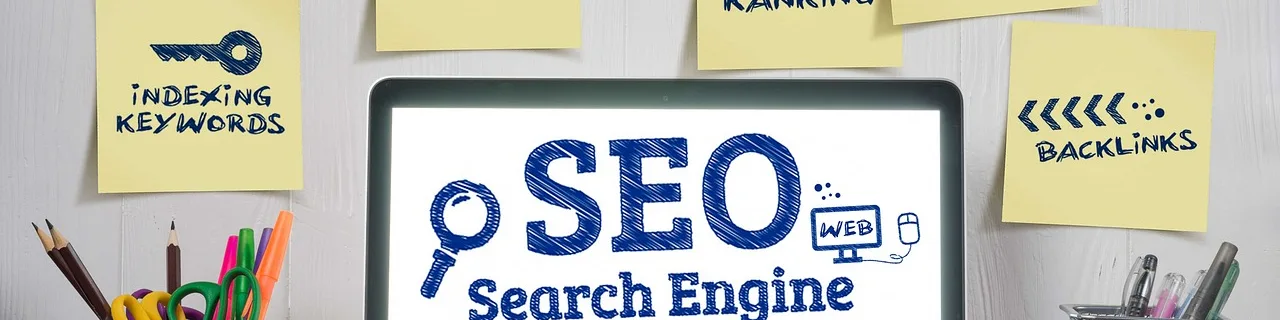
Search visibility is about whether people can find and understand your business when they search online. Google explains that SEO helps search engines understand content and helps users decide whether to visit a site. Google also notes that there is no guarantee a site will appear in results, and that changes may take time to show effects.
In practical terms, ask a potential agency how it would improve discoverability. That may include page structure, content planning, technical cleanup, local search signals, and basic indexability checks. If you already appear in search results, the next question is not just how to rank higher. It is whether the right pages are visible for the right searches.
5. Advertising
If you want paid promotion, be clear about the purpose. Paid campaigns can be useful for testing offers, supporting a launch, or increasing visibility for specific services, but they need clear tracking and a realistic budget. Ask how the provider structures campaigns, what they would test first, and how they would decide whether the spend is working.
You should also ask what happens after the click. A campaign is usually only as effective as the page it sends people to, the form or call path they use, and the follow-up process after the lead arrives.
6. Content
Content is not just blog posts. It includes service pages, landing pages, location pages, FAQs, help articles, and any copy that explains your offer. A brief should say what content already exists and what gaps need to be filled.
Good content work should answer real customer questions, reduce confusion, and support both search visibility and conversion. That often means prioritising clear service explanations over generic promotional language.
7. Analytics
Analytics are how you know whether marketing activity is actually being measured. Ask what the agency will track, how often it will review results, and which actions count as meaningful outcomes for your business. Those might include form submissions, calls, quote requests, booked appointments, or other qualified actions.
You should also clarify who has access to the reporting tools and whether the business owns the accounts and data. This is important when a provider sets up tracking, website changes, or campaign accounts on your behalf.
8. Ownership and reporting
Ownership is easy to overlook during a sales conversation. Your brief should state who owns the website, the domain, the analytics accounts, the ad accounts, the content, and the creative assets after the work is completed.
Reporting should also be specific. Ask for a reporting rhythm that fits your business, such as monthly updates, and define what those updates should explain. A useful report should go beyond activity counts and show what changed, what was learned, and what the next priority is.
How to compare agencies without relying on guarantees
The best comparison is usually a structured one. Instead of asking who can promise the most, ask who can explain the plan most clearly.
| What to compare | Why it matters | What to ask |
|---|---|---|
| Discovery process | Shows whether the provider understands your business before recommending work | What will you review first, and what information do you need from us? |
| Strategy | Helps you see whether the work matches your goals | What would you prioritise in the first phase and why? |
| Website scope | Clarifies whether the site needs fixes, new pages, or a larger rebuild | What changes do you recommend on the current site before other work starts? |
| Search approach | Shows how visibility will be supported | How do you approach content, page structure, and local search signals? |
| Advertising approach | Helps you understand spend, testing, and tracking | How would you plan campaigns, landing pages, and conversion tracking? |
| Reporting | Prevents vague updates and unclear outcomes | What will the report show, and how often will we receive it? |
Practical tradeoffs to think through
Many businesses want everything improved at once, but not every project should start the same way. A provider may recommend beginning with the website and tracking setup before expanding into content or advertising. That can make sense when the site is unclear or hard to measure.
On the other hand, if your website is solid but not visible enough, the initial focus may be on search visibility and content. If you already have traffic but not enough leads, conversion-focused changes may be more important than broader exposure.
The tradeoff is usually between speed, depth, and budget. A broader plan can address more of your online presence, but it may take longer to implement. A narrow plan can move faster, but it may leave gaps that limit the result. The right brief helps you decide which issue matters most right now.
Questions to ask before you hire
- What business problem are we solving first?
- How will you assess our current website and online presence?
- What will you change immediately, and what will wait?
- How do you measure progress without relying on a single metric?
- Who will own the accounts, content, and data?
- How often will we receive reporting, and what will it include?
- What do you need from us to keep the work moving?
What a strong brief looks like
A strong brief does three things. It explains what the business wants, what already exists, and what the provider is expected to manage. It also sets clear boundaries around ownership, reporting, and measurement.
That kind of clarity helps you compare digital marketing agencies in St. Thomas on the basis of fit, not hype. It also makes it easier to separate a website fix, a search project, a content effort, and an advertising plan into the parts that actually need attention.
Concise FAQ
Do I need a full marketing plan before contacting an agency?
No. You only need a clear starting point. A short brief about your goals, audience, site, and measurement needs is usually enough to begin.
Should I ask for guaranteed results?
No. A careful provider should explain methods, priorities, and reporting, not promise rankings, traffic, or revenue outcomes.
What is the most important thing to share first?
Start with your main business goal and your current website situation. Those two details often shape the rest of the plan.
Why does account ownership matter?
Because you should know who controls the website, analytics, ad accounts, and creative assets if the working relationship changes later.
What should reporting focus on?
Reporting should show what was done, what changed, and what the next step should be. It should connect activity to meaningful business actions, not just surface numbers.
For broader local browsing, you can also review the St. Thomas, Ontario: Local Businesses and Services city page.