Occupational Safety Consultants in St. Thomas: What to Know Before You Hire
When you are looking for occupational safety consultants in St. Thomas, Ontario, the main question is not just who can help. It is what kind of help your workplace actually needs. A useful consultant should be able to review your operation, identify gaps, support training, and help you document practical next steps. General guidance can improve planning, but it does not by itself certify compliance.
For a workplace in St. Thomas, that means starting with the kind of work you do, the hazards present on site, and the policies or training you already have in place. The right fit depends on whether you need a one-time review, help building a program, support for an audit, or guidance on specific safety tasks.
Start with the workplace, not the title
Occupational safety consultant is a broad category. Before you compare providers, define your workplace and the risks that matter most. A consultant who is useful for one workplace may not be the best match for another.
- Workplace type: office, warehouse, shop floor, construction site, yard, mixed-use facility, or field work.
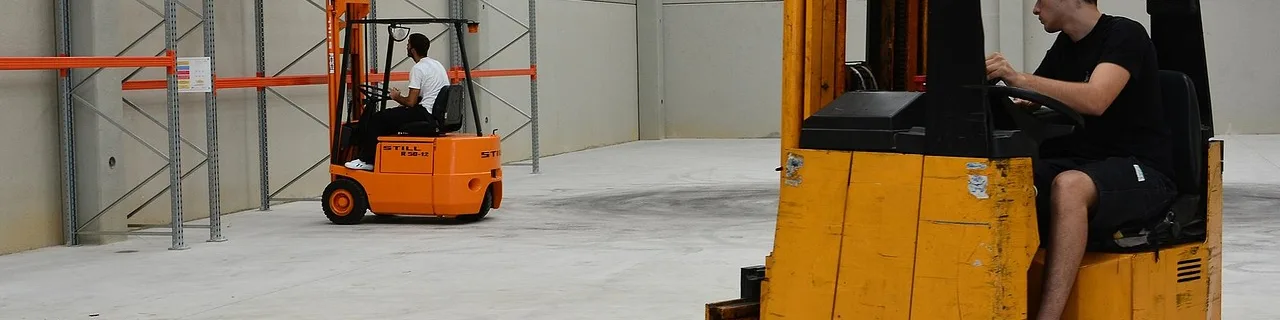
- Work tasks: equipment operation, material handling, working at heights, lockout and isolation, confined space entry, respirator use, or traffic control.
- Workforce mix: experienced staff, new hires, supervisors, joint health and safety committee members, contractors, or temporary workers.
- Risk profile: physical hazards, chemical exposure, ergonomics, machine guarding, vehicle movement, or emergency response needs.
That starting point helps you ask better questions and avoid paying for a generic review that misses the issues that matter most.
What services a safety consultant may help with
Current consulting materials show that safety consultants may offer workplace safety audits and inspections, support for Ministry of Labour audits, risk and hazard assessments, and safety policy development. Training materials also show role-based instruction for hazards and job duties.
In practical terms, you may be looking for help with one or more of these tasks:
| Need | What a consultant may do | What you should prepare |
|---|---|---|
| Safety review | Walk the site, identify hazards, and note gaps in controls | Access to the work area, current procedures, incident history, and key staff |
| Risk assessment | Evaluate hazards and rank priorities for action | Task descriptions, equipment lists, and known problem areas |
| Policy development | Help draft or update safety policies and procedures | Existing policies, forms, and any industry-specific rules you already follow |
| Training support | Provide or coordinate training for specific hazards and roles | Training records, job roles, and any required refresher cycle |
| Audit preparation | Organize documentation and review readiness for an inspection or audit | Past inspection notes, logs, and a list of missing records |
The exact mix matters. A consultant who focuses on documentation alone may not be the best choice if your main need is hazard identification on the floor. Likewise, a training-only provider may not be enough if you need a broader program review.
Existing policies and records matter
Good consultants usually start by reviewing what is already in place. That can save time and prevent duplicate work. It also makes it easier to see whether the issue is missing policy, weak implementation, or inconsistent follow-through.
Useful items to gather include:
- Safety policies and written procedures
- Orientation and refresher training records
- Incident, injury, and near-miss logs
- Inspection checklists and maintenance records
- Hazard assessments or job safety analyses
- Joint health and safety committee records, if applicable
- Emergency response plans and drill records
If your paperwork is scattered, a consultant may spend time organizing the file before they can recommend improvements. That is not a drawback. It is often part of creating a workable system. The tradeoff is that stronger documentation takes time, but it gives you a clearer base for action and follow-up.
Assessment needs should match the job
Not every workplace needs the same type of assessment. A strong consultant should be able to explain what they are assessing and why it matters for your operation.
Common assessment questions include:
- Which tasks create the highest risk?
- Are controls in place and actually used?
- Are workers trained for the tasks they perform?
- Are supervisors monitoring the process consistently?
- Are written procedures realistic for the way the work is done?
This is where practical judgment matters. A detailed audit can uncover more issues, but it also takes more time and coordination. A shorter review may be useful for a targeted problem, but it may not be enough if your workplace needs a broader reset. Ask the consultant to define the scope before work starts.
Training should support real job duties
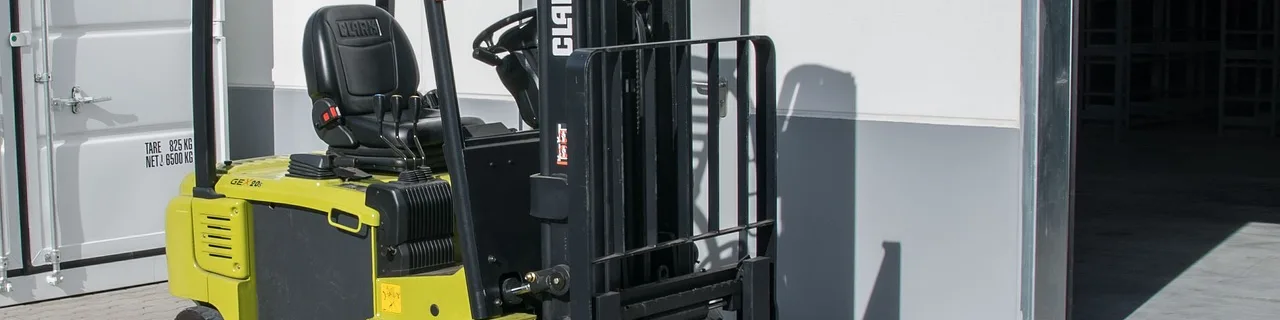
Training is most useful when it matches actual tasks, not just general safety themes. Provider materials show training options such as Joint Health & Safety Committee certification, working at heights, first aid and CPR, elevated work platform training, forklift training, overhead crane training, respiratory fit testing, lockout and tagout, asbestos awareness, confined spaces awareness, WHMIS, temporary traffic control, skid steer training, telehandler training, and transportation of dangerous goods.
When comparing options, ask whether the training is:
- Role-specific or general awareness only
- Suitable for new workers, supervisors, or refresher needs
- Connected to documentation you can keep on file
- Matched to the equipment or hazards in your workplace
Training is not the same as implementation. A class may improve awareness, but the workplace still needs supervision, controls, and records to show the lesson is being used day to day.
Professional qualifications to look for
Because occupational safety consulting covers many kinds of work, ask about the consultant’s actual background for the task you need. Do not assume every safety provider has the same level of experience in every setting.
Useful qualification questions include:
- What types of workplaces have they worked with?
- Do they have experience with your main hazard type?
- Can they support both training and documentation, or only one of those areas?
- Do they understand the reporting or recordkeeping needs relevant to your operation?
You do not need a consultant to promise compliance. In fact, that is a red flag if it sounds too broad. A more useful answer is a clear explanation of what they can review, what they can document, and what still depends on how your workplace implements the advice.
Who is responsible for implementation?
This is one of the most important practical questions. A consultant can recommend changes, but your workplace is responsible for applying them. That usually means management, supervisors, and workers each have a role.
In general:
- Management approves changes, resources training, and assigns responsibility.
- Supervisors make sure procedures are followed and issues are reported.
- Workers use the controls, follow the training, and raise concerns when something does not work.
- The consultant identifies gaps, documents findings, and helps build a practical plan.
That division matters because safety advice is only useful if it is implemented. A good consultant can help you move from findings to action, but they do not replace internal accountability.
What to ask before you hire
Before you choose a consultant, ask a few direct questions so you know whether the fit is practical for your workplace.
- What does your first review include?
- What documents should we have ready?
- How do you handle gaps you find?
- Do you provide written recommendations?
- Can you support training as well as assessment?
- What parts of implementation stay with our team?
If you can answer those questions clearly, you are more likely to get work that is useful, specific, and easier to apply.
How to choose a good fit in St. Thomas
For a St. Thomas workplace, the best choice is usually the consultant who understands your type of work, can focus on your highest-risk tasks, and can explain recommendations in plain language. Local availability matters, but it should not be the only factor. A nearby provider is not necessarily the right provider if they cannot address your actual hazards or documentation needs.
Use the category listing to compare options, then look for a match on scope, experience, training support, and follow-through. That approach gives you a better chance of getting practical help instead of a generic checklist.
FAQs
Do occupational safety consultants guarantee compliance?
No. A consultant can review risks, policies, and records and recommend improvements, but compliance depends on how your workplace applies and maintains those changes.
Should I bring my existing safety documents to the first meeting?
Yes. Policies, inspection logs, training records, and incident reports help the consultant identify gaps faster and avoid repeating work you have already done.
Is training enough on its own?
Usually not. Training is one part of a safety program, but it should be supported by supervision, written procedures, hazard controls, and recordkeeping.
What if we only need help with one hazard?
That can still be a good reason to hire a consultant. A narrow scope can work well if the issue is clearly defined, such as a single task, equipment type, or documentation gap.
What should the written deliverable include?
Look for a clear summary of findings, recommended actions, priority order, and any documents or training records that support the next steps.
For broader St. Thomas, Ontario business and service browsing, see the St. Thomas, Ontario: Local Businesses and Services directory hub.