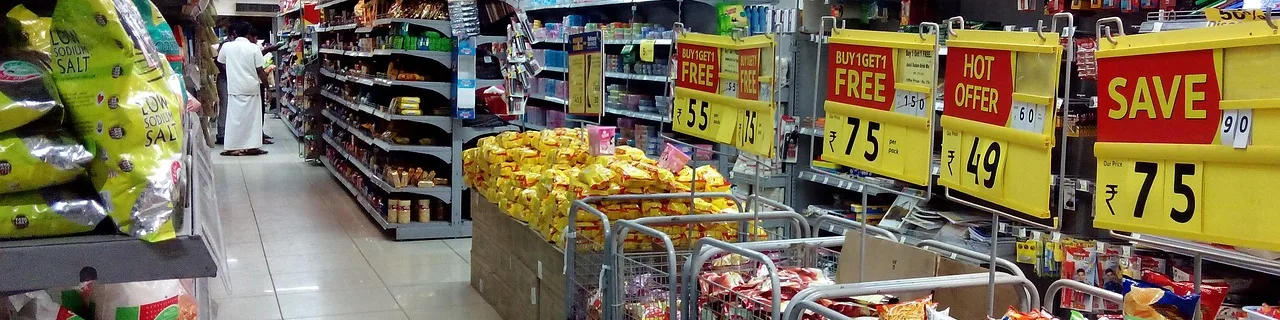
Discount Stores in St. Thomas: Plan a Practical Discount Shopping Trip
If you are looking for discount stores in St. Thomas, Ontario, the most useful approach is to shop with a purpose and compare more than just the sticker price. Discount stores can help you stretch a budget, but the best choice depends on what you need, how much you want to buy, and how carefully you want to check quality before you pay.
In practical terms, you should compare suitability, store size, product condition, unit pricing as a comparison method, return policies, warranty terms where relevant, and whether stock is actually available when you arrive. Some discount purchases are strong values. Others are only a good deal if they match your needs and hold up after purchase.
What discount stores are best for
Discount stores usually work best for everyday low-risk purchases, quick household needs, seasonal items, party supplies, office basics, snacks, and some clothing or home goods. In St. Thomas, the local category includes stores that focus on low-cost essentials and stores with broader general merchandise selections.
The right store depends on the kind of shopping trip you want:
- Small, targeted trips: Good when you need a few low-cost items and want a fast visit.
- Broader value shopping: Better when you want to compare categories such as home, apparel, grocery, or seasonal products in one stop.
- Gift, party, or school prep: Useful when you need affordable supplies without looking for premium brands.
- Budget household shopping: Best when you are willing to compare package size, quality, and replacement cost instead of assuming the lowest shelf price is the best value.
How to compare discount stores fairly
When you compare discount stores, use the same questions each time. That makes it easier to judge value without relying on impulse purchases or unclear shelf labels.
1. Suitability for the item you need
Start with the task, not the price. A low-cost item is only useful if it fits the job. For example, a storage bin, snack pack, or notebook may be fine for one need but not durable enough for another. If you are shopping for school, party, home, or travel supplies, think about whether the item will be used once or repeatedly.
Suitability matters because discount stores often carry a wide range of categories, but not every product is meant for the same level of use. A quick convenience buy may make sense. A long-term purchase may need closer inspection.
2. Store size and assortment
Store size affects what you are likely to find. Smaller locations can be easier for quick shopping trips and simple restocking. Larger stores often give you more choice across categories, which can make it easier to compare similar items side by side.
A bigger assortment is not automatically better, though. A broad selection can save time if you want one-stop shopping. A smaller, focused selection may be better if you already know exactly what you need and do not want to browse through extra categories.
3. Product condition
At any discount store, check product condition before checkout. Look for damage, missing parts, crushed packaging, dents, tears, or signs that an item was handled roughly. For clothing and home goods, check stitching, seams, zippers, and finishes. For packaged goods, make sure seals are intact and packaging is not compromised.
This step matters because a low shelf price does not help if the item fails early or needs to be replaced right away. A careful inspection can save money and reduce returns.
4. Unit pricing as a comparison method
Unit pricing can help you compare value across package sizes or brands. It is one of the best ways to compare discount items fairly, especially when one package looks cheaper but contains less product.
Use unit pricing as a method, not as a promise of savings. A lower unit price can still be the wrong choice if the item is low quality, not suitable for your needs, or likely to go unused. It is most useful when you are comparing similar products such as paper goods, snacks, cleaning supplies, or storage items.
When you compare by unit price, also ask:
- Will I use the full package before it expires or wears out?
- Is the larger package actually better for my household or budget?
- Does the cheaper item force me to replace it sooner?
5. Returns and exchanges
Return rules matter because discount shopping often includes lower-cost, fast-moving items. Before you buy, check whether the store accepts returns for the item type you are considering and whether you need a receipt or original packaging.
Policies can differ by product category, so it is worth confirming the return terms before you buy anything you may need to exchange. This is especially important for clothing, electronics, seasonal items, and items that may be tested after purchase.
6. Warranties where relevant
Not every discount item includes a warranty, and some products may have limited coverage. If you are buying something with a warranty or manufacturer support, read the terms before purchase so you know what is covered and what proof you may need later.
Warranties are most relevant for products where failure would be costly or inconvenient. For simple consumables, the return policy may matter more than any warranty language. For more durable items, keep the receipt and any packaging or model information you may need for follow-up support.
7. Stock confirmation
Do not assume an advertised or expected item will be in stock when you arrive. Discount stores can move products quickly, and inventory can change from one day to the next. If you need something specific, confirm stock before making a special trip when possible.
Stock confirmation is especially useful for time-sensitive purchases like party supplies, school items, seasonal goods, or a specific household item you do not want to substitute. If you can be flexible, you may still find a good alternative in store. If you cannot, check before you go.
How to decide whether a discount purchase is actually worth it
A discount item is worth buying when the total value works for your situation. That means the item is suitable, in acceptable condition, available when you need it, and priced reasonably for what it does.
Try this quick decision check:
- Need: Do I actually need this item now?
- Fit: Does it suit the job I want it to do?
- Condition: Is it intact and complete?
- Value: Does the unit price make sense compared with similar options?
- Risk: If it fails, can I return it or live with the loss?
- Availability: Is it in stock now, not just listed or expected?
This approach helps you avoid assuming every discount item is automatically cheaper in the long run. A low initial price can be offset by poor durability, a weak return policy, or the need to replace the item sooner than expected.

What to look for by shopping trip type
| Shopping need | What matters most | Best tradeoff to watch |
|---|---|---|
| Quick household restock | Convenience, stock, package size | Buying more than you need |
| Party or seasonal supplies | Availability, assortment, return rules | Limited seasonal stock |
| School or office basics | Unit price, quantity, condition | Lower quality supplies that wear out fast |
| Clothing or home goods | Fit, finish, durability, returns | Items that look fine but do not last |
| Snacks and consumables | Expiry date, package size, freshness | Bulk purchase before checking use-by timing |

Practical shopping tips for St. Thomas shoppers
For local discount shopping in St. Thomas, Ontario, it helps to keep your list narrow and your expectations flexible. The most useful trips are often the ones where you know exactly what you need, accept that selection can vary, and are ready to compare a few options before deciding.
Use these simple habits:
- Bring a short list so you can focus on need-to-have items.
- Check labels and package sizes instead of comparing price only.
- Inspect items before you pay when condition matters.
- Save the receipt if returns or warranty follow-up may matter.
- Confirm stock before a special trip if you need one specific item.
If you are shopping for a flexible item, a discount store can be a practical stop. If you need a highly specific product, a strict return window, or a warranty-backed purchase, it is worth slowing down and reviewing the details first.
FAQ
Are discount stores always the cheapest option?
No. A discount store may offer a lower shelf price, but the best value depends on package size, quality, durability, and whether you need to replace the item sooner.
Should I compare unit prices at discount stores?
Yes, but use unit pricing as one comparison method rather than the only factor. It works best when comparing similar products and package sizes.
What should I check before buying?
Check item condition, product fit, return rules, and whether the item is actually in stock. For anything with coverage or support, review warranty terms too.
Is it worth shopping at a discount store for every purchase?
Not always. Discount stores are often a good fit for low-risk, everyday, or short-term needs. For higher-stakes purchases, it is smart to compare value, condition, and policy details more carefully.
Bottom line
When you are looking for discount stores in St. Thomas, Ontario, the best decision is usually the one that balances price with suitability, condition, and policy details. Use unit pricing to compare similar items, confirm stock when the purchase matters, and read return or warranty terms before you buy. That approach helps you find real value without assuming every discount item is automatically the best choice.