Trailer Dealers in St. Thomas: Match a Trailer to Your Intended Use
If you are looking at trailer dealers in St. Thomas, Ontario, start with the trailer’s job, then match that job to the trailer’s size, weight, build quality, and towing needs. The right choice depends on what you plan to haul or tow, how often you will use it, and whether your vehicle can handle the load safely.
Local trailer businesses can help you compare trailer types and service options, but the most important checks are still yours to make. Confirm the trailer’s dimensions, loaded weight, hitch requirements, registration paperwork, and safety equipment before you commit. If a trailer will be used with a specific vehicle, verify the vehicle’s towing limits in the owner’s manual or other authoritative manufacturer documentation.
What to know before you buy
A good trailer match begins with basic fit and use questions. The wrong trailer can be too heavy, too long, too narrow, or simply not suited to the cargo or camping style you have in mind.
1. Load and weight
Ask how much the trailer can carry and how that capacity changes once water, gear, fuel, or equipment is added. Do not rely only on the empty trailer weight. The loaded weight is what affects towing stability, braking distance, and whether your vehicle is within its rated limits.
Useful questions include:
- What is the trailer’s empty weight and maximum loaded weight?
- How much payload remains after standard equipment is included?
- Will your planned cargo stay within the trailer’s rated capacity?
2. Dimensions and fit
Trailer length, width, interior height, and deck size all matter. A trailer that looks manageable on a lot may be awkward to store, harder to turn, or too small for the items you want to move. For enclosed or recreational trailers, check door openings, interior clearance, and how the usable space changes once shelving, sleeping space, or tie-downs are installed.
If you need the trailer for seasonal storage, residential use, or worksite access, measure the space where it will sit and the access route it must travel through. Tight driveways, gates, and parking areas can narrow your choices quickly.
3. Towing compatibility
Towing compatibility is more than just whether the hitch fits. You should confirm the vehicle’s tow rating, tongue weight rating, gross combined weight rating, and any equipment required for safe towing. That includes the hitch class, trailer brake setup if required, wiring, mirrors, and brake controller where applicable.
This is one area where authoritative documentation matters most. Check the vehicle manufacturer’s guidance for the exact model, trim, drivetrain, axle ratio, and package configuration you own. A general sales description is not enough to confirm what your vehicle can tow safely.
4. Registration and paperwork
Before finalizing a purchase, ask what documents come with the trailer and what you will need to register or license it in Ontario. Documentation can vary by trailer type and whether it is new, used, or custom built. A dealer should be able to explain the paperwork you need to review, but you should still confirm the exact registration steps with the appropriate provincial authority.
Keep an eye out for:
- Bill of sale or purchase agreement
- Serial or vehicle identification details
- Any manufacturer statements or compliance information
- Ownership transfer documents, if applicable
5. Condition, especially for used trailers
If you are considering a used trailer, condition matters as much as price. Inspect the frame, floor, suspension, tires, coupler, lights, wiring, brakes, bearings, and any rust or water damage. Recreational trailers should also be checked for seals, windows, doors, roof condition, and signs of past leaks.
For a used trailer, ask whether maintenance records are available and whether any repairs were completed professionally. If the trailer has visible wear, budget for inspection and repair costs instead of assuming it is ready to use as-is.
6. Safety equipment and road readiness
Safety equipment should be part of the buying conversation, not an afterthought. Depending on the trailer type, you may need brake systems, breakaway equipment, reflectors, lights, secure tie-down points, spare tires, and correctly rated couplers or chains. Even when a trailer is physically sound, it still needs to be road-ready for the vehicle and load you plan to use.
If you are unsure whether a trailer is set up correctly, ask for a walk-through of the safety features and how each one works. A clear explanation is better than guessing after purchase.
7. Warranty, service, and delivery
Warranty terms and after-sale support can be just as important as the trailer itself. Ask what is covered, how long coverage lasts, and which parts or systems may have separate terms. If the trailer is custom built or special ordered, also ask about build timing, inspection before handoff, and how delivery works.
Delivery questions are practical, not optional. Find out whether the trailer can be delivered, whether setup is included, and what responsibilities fall on you when it arrives. For larger or specialized trailers, delivery and pickup planning may affect your overall cost and timeline.
Why local trailer dealers are useful
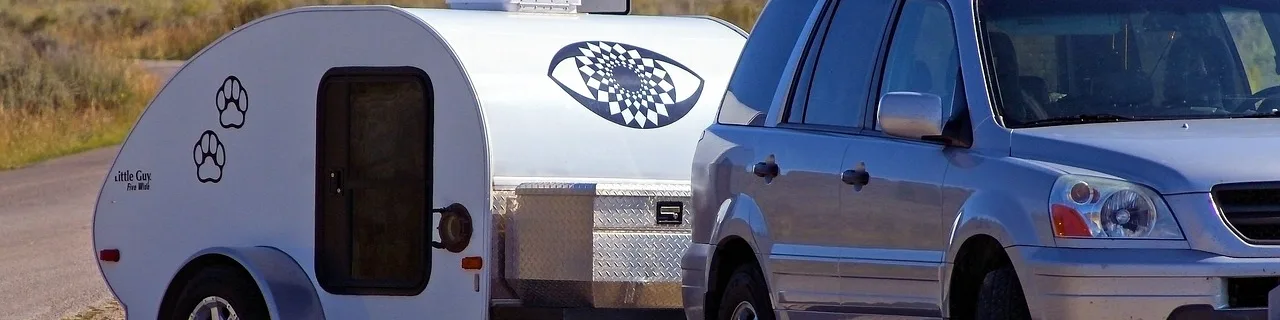
Local trailer dealers in St. Thomas can help you compare more than one style of trailer in the same visit. That makes it easier to think through tow vehicle fit, storage, maintenance, and how the trailer will actually be used. In St. Thomas, the category includes businesses that focus on lightweight recreational trailers as well as dealers that handle broader trailer types, service, parts, and repairs.
That mix is helpful if you want a trailer that fits a very specific purpose. For example, a lightweight teardrop trailer, a utility trailer, and a heavier equipment trailer each create different questions about payload, braking, and storage. The best dealer conversation is the one that starts with your use case, not a fixed trailer size.
How to compare options without getting overwhelmed
You do not need to know every technical detail before you start. You do need a clear list of your priorities. Use the same short checklist when comparing trailers so you can make a fair decision.
| Question | Why it matters | What to confirm |
|---|---|---|
| What will you use it for? | Use determines trailer type and layout | Cargo, recreation, tools, equipment, or seasonal use |
| Can your vehicle tow it? | Safety and legal compliance depend on vehicle limits | Vehicle tow rating, tongue weight, brake requirements |
| Will it fit your space? | Storage and maneuvering affect daily use | Total length, width, height, and turning room |
| Is the paperwork complete? | Registration and ownership transfer depend on records | Bill of sale, serial details, compliance documents |
| What support follows the sale? | Warranty and service reduce surprises later | Coverage terms, service options, delivery process |
Questions to ask before you buy
- What is the trailer’s empty weight and maximum loaded weight?
- What does the trailer include as standard equipment?
- What safety features are installed or required?
- What documentation will I receive at purchase?
- Does the trailer need any setup, inspection, or final adjustments?
- What are the warranty terms and service options?
- How is delivery handled if I do not tow it home myself?
FAQ
What should I bring when visiting trailer dealers?
Bring your vehicle information, the kind of cargo or use you have in mind, and any size limits you already know. If possible, bring measurements for your storage space or loading area as well.
How do I know if a trailer is too heavy for my vehicle?
Compare the trailer’s loaded weight and tongue weight with your vehicle manufacturer’s towing documentation. If the numbers do not line up clearly, do not guess. Use the manufacturer’s limits and, if needed, ask a qualified professional to help interpret them.
Is a used trailer always a better deal?
Not necessarily. A used trailer may cost less upfront, but repairs, worn components, and missing paperwork can change the value quickly. Condition and documentation matter as much as the asking price.
Do I need to decide on registration before I buy?
You should know the registration and transfer steps before you complete the purchase, but the exact rules depend on the trailer and the transaction. Confirm the process with the relevant provincial authority rather than relying only on sales paperwork.
What is the safest way to narrow down choices?
Start with your use, then test each trailer against vehicle limits, size, condition, and documentation. That order keeps you from focusing on features that are attractive but not practical for your setup.
If you are comparing trailer dealers in St. Thomas, Ontario, the most useful approach is to match the trailer to your intended use first and treat towing limits, paperwork, and condition as non-negotiable checks. That gives you a safer, more practical purchase decision and helps you avoid paying for capacity or features you do not need.