Auto Body & Collision Repair in St. Thomas: Prepare for a Repair Assessment
If you need auto body and collision repair in St. Thomas, the most useful first step is to choose a shop that can explain the repair scope clearly, handle insurance communication if needed, and document the damage before any work begins. A strong first enquiry is less about finding the lowest number and more about confirming what was damaged, what repair method is being proposed, what parts may be replaced or refinished, and how the estimate will be shared with you and, if relevant, your insurer.
St. Thomas has local collision repair options that support both private and insurance work. Some shops describe full-service collision repair, refinishing, paint booths, or frame equipment on their public pages. Those details help define the category, but your own choice should still depend on how well a shop can assess your vehicle, explain the plan, and coordinate the next steps.
What to look for when choosing a collision repair shop
Start with the basics that matter for a repair assessment. You want a shop that can inspect visible damage, talk through the likely repair sequence, and tell you what information they need from you. For collision work, that usually means more than a quick look at a dent or scraped panel. A good intake process should help you understand whether the work is mainly cosmetic, structural, refinishing-related, or a mix of all three.
When comparing your options, focus on these practical questions:
- Can the shop explain the likely repair scope in plain language?
- Will they coordinate with your insurer if the claim involves insurance?
- Do they document damage clearly before work begins?
- Can they describe whether parts may be repaired, replaced, or refinished?
- Will they tell you what they still need to confirm after inspection?
Those questions help you compare shops without turning the conversation into a price-only search. A lower estimate is not useful if it leaves out important repair steps or fails to explain how the vehicle will be restored.
Prepare your damage photos before you enquire
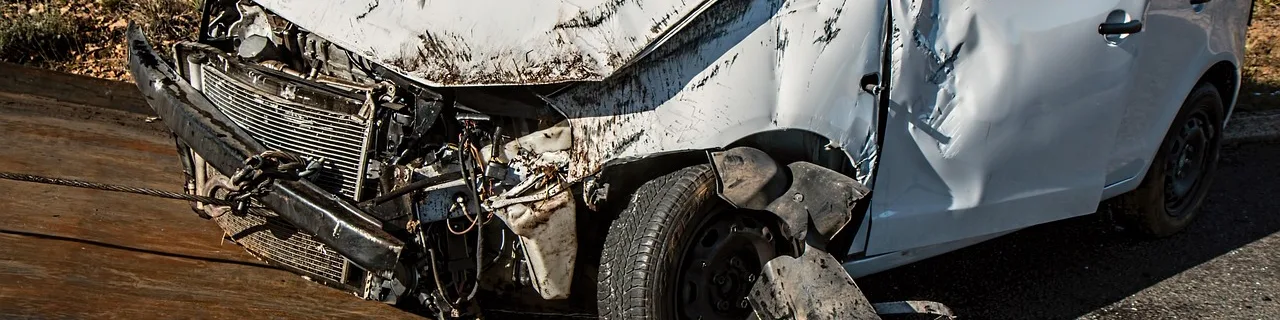
Clear photos make the first conversation easier. They help the shop understand the starting point and can reduce back-and-forth before the vehicle is inspected in person. Take photos as soon as you can after the incident, before weather, dirt, or further use changes the damage.
Take these photo types
- A wide photo of the full vehicle from each side.
- Close-up photos of every damaged area.
- Photos that show the damage in context, not only at extreme close range.
- Photos of any broken glass, fluid leaks, or warning lights.
- Interior photos if airbags deployed or trim was damaged.
Try to keep the images steady and well lit. If the damage includes multiple panels, capture each one separately. If a bumper, door, fender, hood, or wheel area is affected, include both the damaged surface and the surrounding area so the shop can see how the damage connects.
If there is any obvious safety issue, such as a leaking fluid, a wheel that looks misaligned, or a part that is hanging loose, mention that in your message. The shop may want to know whether the vehicle should be driven or towed for inspection.
Questions to ask about repair scope
The most useful enquiry is specific. Instead of asking only, “How much will it cost?”, ask what the assessment will cover and what the final scope may include. That gives you a better sense of whether the estimate is complete enough for your situation.
Use questions like these:
- What damage do you see that I may have missed?
- What parts appear repairable, and what parts may need replacement?
- Will the estimate cover refinishing as well as panel work?
- Are there any signs the damage could involve hidden issues?
- What would need a closer inspection before the repair plan is final?
- How will you update the scope if hidden damage appears after teardown?
These questions matter because collision damage often extends beyond the first visible mark. A scratch can hide deeper impact, and an outer panel may look minor while related mounting points, brackets, or adjacent surfaces also need attention. The clearer the scope discussion, the fewer surprises you are likely to face later.
Questions to ask about insurer coordination
If the repair is part of an insurance claim, ask how the shop handles insurer communication. Some shops work regularly with insurance companies, and that can make the paperwork and approval process easier. Even so, you should still know who is responsible for each step.
Useful questions include:
- Will you send the estimate directly to the insurer?
- Do you need my claim number before starting the assessment?
- How do you handle supplements if hidden damage is found?
- Will you tell me if the insurer requests additional documentation?
- What should I bring to the inspection to support the claim?
Insurance coordination is useful when it is organized and documented. It is still worth keeping your own notes, including the claim number, the date of the incident, and any instructions you receive from the insurer. That makes it easier to follow the process if there is a delay or a question about coverage.
What to bring to the assessment
A well-prepared enquiry helps the shop assess the vehicle faster and more accurately. Bring what you have that may support the review, but do not worry if you do not have everything at once. The main goal is to make the inspection practical and complete.
- Your contact information.
- The vehicle year, make, and model.
- The date and general description of the incident.
- Any claim number, if insurance is involved.
- Your photos of the damage.
- Notes about warning lights, strange noises, or drivability changes.
If the vehicle has already been inspected by another party, such as an insurer or another shop, share that only if it is relevant. The new shop still needs to make its own assessment of the vehicle’s condition.
How to compare your options without price comparisons
You do not need a price ranking to make a sensible choice. A better approach is to compare how each shop handles assessment, explanation, and follow-up. That is especially important when the damage may be more than cosmetic.
| What to compare | Why it matters |
|---|---|
| Repair scope explanation | Helps you understand what will be done and why |
| Photo and inspection process | Shows how carefully the damage is being documented |
| Insurance coordination | Can reduce confusion if a claim is involved |
| Hidden damage process | Helps you plan for changes after the initial inspection |
| Communication style | Makes it easier to follow the repair path |
If one shop gives you a clear explanation and another gives you only a short answer, that difference is useful even before you see a formal estimate. You are looking for confidence in the assessment process, not just a number.
Useful enquiry template
You can send a short message like this:
“I need an assessment for collision damage on my vehicle. I have photos and can share details about the incident. Can you review the damage, explain the likely repair scope, and let me know what you need for the estimate or insurance coordination?”
This kind of enquiry works well because it gives the shop enough context to respond usefully without locking you into assumptions about the final repair. It also leaves room for the shop to explain whether an in-person inspection is needed before anything else can be confirmed.
When to book in person instead of relying on photos alone
Photos are helpful, but they do not replace a hands-on inspection. Book an in-person assessment when the damage may involve alignment issues, multiple panels, paint blending, structural concerns, or anything that could hide deeper impact. A close inspection lets the shop look at gaps, mounting points, and areas that are hard to capture in photos.
If the vehicle is not safe to drive, ask whether it should be towed. If it is still drivable, tell the shop about any unusual behaviour, such as pulling, vibration, or dashboard alerts. That information helps them decide how to inspect it.
Quick preparation checklist
- Take wide and close-up damage photos.
- Write down the incident date and basic details.
- Gather your insurance claim information, if applicable.
- List any drivability concerns or warning lights.
- Ask how the shop handles scope changes and insurer updates.
- Request a clear explanation of what the estimate includes.
FAQs
Should I ask for a price first?
You can ask about the estimate process, but a useful first enquiry is usually about the repair scope. That helps you understand what the shop sees before you compare numbers.
Do I need to know whether the damage is hidden?
No, but you should ask the shop to check for it. Hidden damage is common enough that it is worth raising during the first assessment.
What if I am dealing with insurance?
Tell the shop early that a claim is involved and ask how they coordinate with insurers. That can save time if the insurer needs documentation or follow-up information.
Are photos enough for a final decision?
Usually not. Photos are a good start, but an in-person inspection is better when the damage may involve more than surface-level repair.
For readers who want to keep their search local, the St. Thomas, Ontario business directory can help you move from general guidance to current listing details and contact information.