Bakeries in St. Thomas: Plan Bread, Treats and Celebration Orders
If you are choosing a bakery in St. Thomas, Ontario, the best fit usually depends on what you need today. Walk-in bread and pastries are a different decision from a custom cake or celebration order. For everyday purchases, compare freshness, style, ingredient approach, and whether the regular menu matches what you like. For custom orders, confirm portion size, design details, pickup timing, and storage instructions before you commit.
That split helps you narrow the choice quickly. A bakery that is a good match for a loaf of bread or a pastry case may not be the same one you want for a tiered cake, themed cupcakes, or a specific dietary request. The right questions are different, and the answers matter more than a general impression.
Local bakery and market listings in St. Thomas show several kinds of baking businesses and rotating prepared-food vendors, including naturally fermented breads, custom cakes, seasonal treats, and gluten-free options. Those listings are useful as a starting point, but for a real order you still need to confirm the current product, the order process, and the pickup instructions directly with the bakery.
Start by matching the bakery to the occasion
The easiest way to choose is to begin with the use case. Ask yourself whether you are buying something for the same day, planning a family dessert, or ordering for an event.
Everyday bread and casual treats
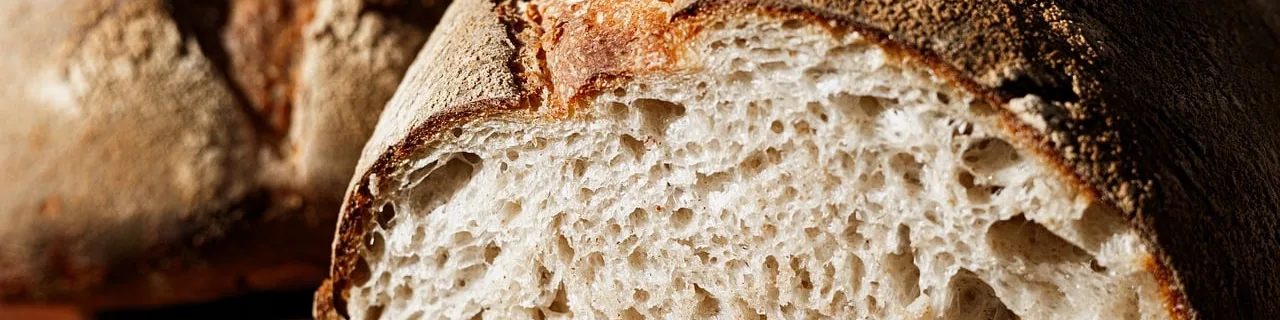
For bread, buns, pastries, cookies, or an afternoon treat, focus on the product style first. Do you want a naturally leavened loaf, a classic baguette, a sweeter pastry, or a small batch treat that changes with the season? If you prefer bread made with simple ingredients, look for bakeries that clearly describe their flour, fermentation method, or flavour profile. If variety matters more, look for a place with a broad daily selection.
For a walk-in stop, it also helps to think about flexibility. Some bakery purchases are best handled in person because you can see what is available that day. Others may be better ordered ahead if you want a specific loaf or flavour. If you are planning to pick up bread regularly, ask how often the menu changes and whether there is a routine ordering process for repeated purchases.
Celebration cakes and custom desserts
For birthdays, weddings, showers, anniversaries, and other events, treat the bakery search like a planning task. You are not just buying dessert. You are asking someone to translate your guest count, taste preferences, design ideas, and timing into a finished order.
That means you should be ready to discuss the event size, the serving style, and the look you want. A bakery that handles custom orders well will usually need more detail than a walk-in counter purchase. The more specific you are about the occasion, the easier it is to avoid surprises later.
Questions to ask before you place an order
You do not need a long checklist, but you do need a few practical questions. These are the ones that usually matter most.
- How many people does this need to serve? Give a realistic guest count, then ask what portion size that translates to.
- Is this for display, serving, or both? A decorative cake for photos may be designed differently from one meant to be cut and served quickly.
- What flavours or fillings work best together? This is useful when you want something specific but are unsure how the bakery builds it.
- What design details can be matched? Bring references if you have them, but be clear about what matters most, such as colour, theme, inscription, or shape.
- What is included in the order? Ask about toppings, writing, layering, packaging, and whether any extras are charged separately.
- How should the order be stored after pickup? This is especially important for cream, butter-based, or refrigerated items.
- How soon should it be picked up? Follow the bakery’s instructions exactly so the product holds up well until serving.
If you are unsure about any of these, say so early. That lets the bakery guide you toward a simpler design or a more practical serving size.
Separate pickup planning from storage planning
Pickup and storage are easy to overlook, but they affect how the final product turns out. A beautiful cake or pastry order can be affected by heat, time in transit, or the wrong storage method at home.
Before pickup, ask whether the order should stay chilled, whether it needs to sit at room temperature before serving, and whether it should be transported flat. If you are ordering multiple items, ask how they should be packed so they do not shift or crush one another.
At home, do not assume one storage method fits everything. Bread, pastries, buttercream cakes, and cream-filled desserts may all need different handling. If you are ordering for the next day, it is worth asking whether the item is best stored on the counter, in the refrigerator, or frozen and thawed later.
These questions are especially important for larger orders, because the timing of serving matters. If you are hosting, build in enough time to unpack, chill, decorate a table, or let the dessert settle before guests arrive.
How to talk about dietary needs
If you need a bakery order that avoids certain ingredients, be direct and specific. Name the ingredient or ingredients you want to avoid, and ask how the bakery handles substitutions or separate preparation. If you are ordering for guests with dietary needs, do not assume a label means the item is safe for everyone.
It is better to ask for clear ingredient information than to rely on a general description. That said, a bakery cannot promise safety for every allergy or sensitivity just from a conversation, and a category guide should not make that guarantee. If allergy control is essential, confirm the bakery’s process, cross-contact precautions, and any limitations before you place the order.
For the clearest result, say:
- what ingredient must be avoided,
- whether the request is for preference, sensitivity, or a medical need,
- whether the item is for one person or a group, and
- whether the order must be prepared, packaged, or labelled in a particular way.
This gives the bakery the information needed to respond accurately without overpromising.
What matters for everyday bread
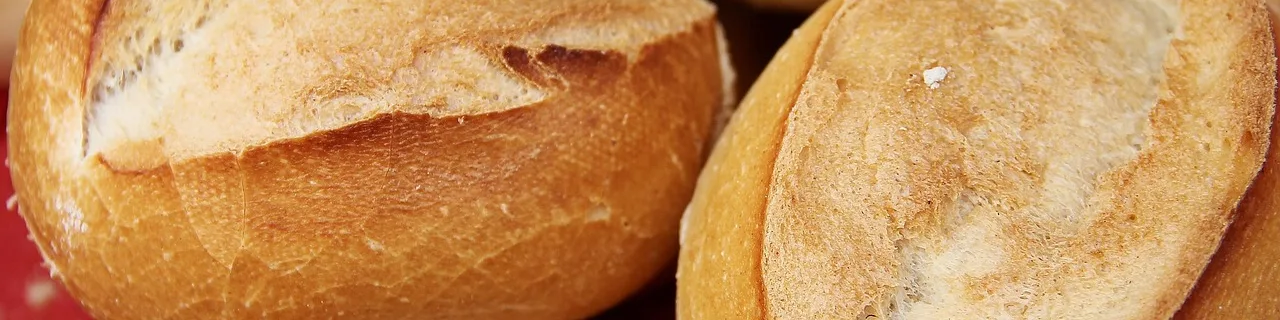
When you are shopping for bread, the decision is usually about quality and fit rather than decoration. The useful questions are different from a celebration order.
Consider the following:
- Texture: Do you want a crusty loaf, a softer loaf, or something in between?
- Fermentation style: Some breads are naturally fermented, while others are made with a different dough style.
- Ingredients: If you prefer simpler ingredients or local grains, look for that information in the product description.
- Size: A loaf that works for sandwiches may not be the same one you want for toast or serving with soup.
- Freshness window: Ask how long the bread keeps best and whether it freezes well.
If you are buying bread often, consistency can matter more than novelty. A bakery that bakes the same style regularly may be more practical for routine use than one with a very changing menu. On the other hand, if you enjoy seasonal variety, a changing selection may be exactly what you want.
What matters for treats and dessert boxes
Treat purchases sit between bread and custom orders. They are often easier than a celebration cake, but still worth a little planning if you want a specific flavour or quantity.
For cookies, brownies, pastries, and similar items, think about how they will be served. Are they for a family snack, a school event, a work meeting, or a dessert table? That answer helps you decide whether you want a mix of items or several of the same kind.
Ask about the flavour balance if you are buying a mixed box. Some boxes work best when there is variety, while others are more satisfying when they stay focused on one style. If the bakery offers seasonal flavours, ask which ones are best suited to immediate serving and which ones hold up well for a day or two.
Use local listings as a starting point, then confirm the details
Local bakery and market listings are useful because they show the kinds of products that may be available in the area. For example, St. Thomas sources can include bread, cakes, cookies, cheesecake, and custom desserts through different local channels. But those listings are only a starting point. For a real order, you still need to confirm the current product, the order process, and the pickup instructions directly with the bakery.
That is especially true for rotating market schedules or changing menus. If you are relying on a market pickup, check whether the vendor is attending that day and whether advance ordering is required. A quick confirmation can save a trip.
Practical order checklist
Use this short checklist before you place an order:
- Choose the order type: bread, treats, or celebration dessert.
- Decide whether you need walk-in availability or advance ordering.
- Estimate the serving size or portion count.
- Share flavour and design preferences clearly.
- Ask how pickup works and what time the order should be collected.
- Confirm storage and serving instructions.
- Explain any dietary needs and ask for ingredient details.
- Review the final order summary before you confirm it.
That process keeps the order simple and reduces the chance of mismatched expectations.
FAQs
How far ahead should I plan a custom bakery order?
Plan ahead enough to discuss the design, serving size, pickup timing, and any ingredient concerns. The right lead time depends on the bakery and the order itself, so confirm directly instead of assuming a standard timeline.
Should I order in person or by message?
Use whichever method the bakery prefers, but be ready to send the same key details either way. A clear written request can help with custom orders because it keeps the portion, flavour, and design notes together.
What if I only need a small number of desserts?
Say that upfront. Small orders still benefit from clear flavour and storage questions, especially if they need to travel or stay fresh overnight.
Can I ask for dietary substitutions?
Yes, and you should be specific about what you need. Ask what substitutions are possible and how the bakery handles ingredient changes. Do not assume the item is safe for every allergy or sensitivity without confirmation.
How do I know whether a bakery is a good fit?
A good fit is a bakery whose regular products, ordering style, and communication match your needs. If you want bread, look for the right style and freshness. If you want a custom order, look for clear answers on portions, design, pickup, and storage.