Osteopathic Manual Therapy Practices in St. Thomas: Prepare for an Enquiry
If you are looking into osteopathic manual therapy practices in St. Thomas, Ontario, the most useful starting point is to separate professional title, training and scope before you book. In Canada, manual osteopathy is not currently regulated as a health profession in Ontario, while osteopathic physicians practice under the College of Physicians and Surgeons of Ontario. That makes the practitioner’s background, scope and paperwork more important than a broad label alone.
A good enquiry asks what type of training the practitioner has, what assessment they use, what a first visit includes, and how they work with your other health providers if needed. Those practical questions help you compare options without assuming that every osteopathy-related title means the same thing.
What the category covers
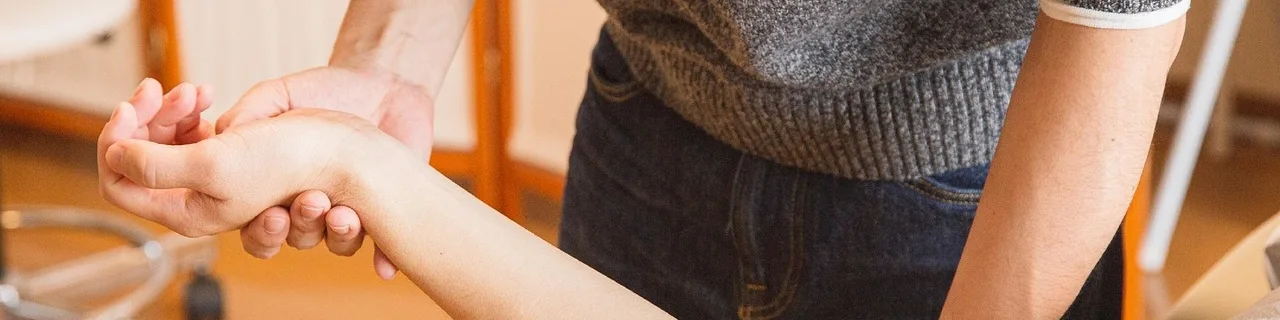
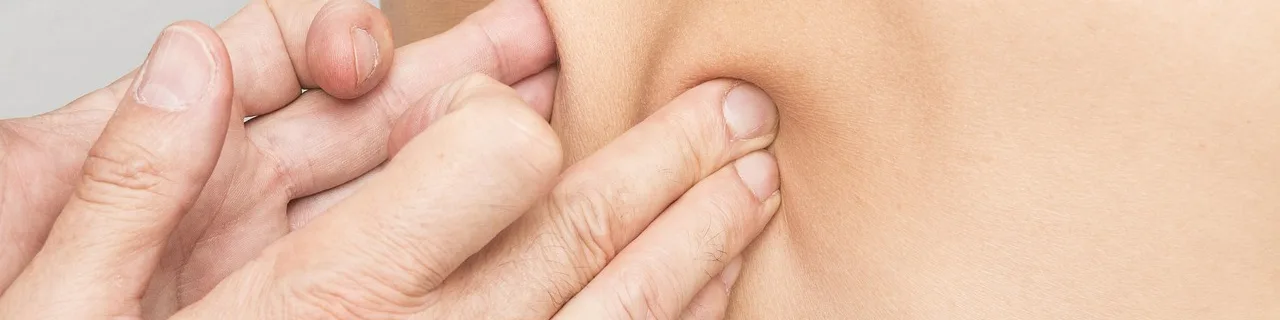
Osteopathic manual therapy is described as a distinct form of hands-on therapy based on anatomy, physiology and biomechanics. Public information from category sources also shows that practitioners may use gentle manual methods such as soft tissue mobilization, joint mobilization and other hands-on techniques, depending on the person’s history and presentation. That does not mean every practice uses the same methods, and it does not mean every practitioner has the same scope or credentials.
For a local search, that distinction matters. Some practitioners are manual osteopathic practitioners. Others may also hold another regulated health designation and then add osteopathic training. An osteopathic title on its own does not tell you the full professional picture.
Training and professional title questions to ask
The first practical question is not “Who is best?” It is “What training and regulatory status does this practitioner actually have?”
- What osteopathic training did you complete?
- Do you also hold another regulated health credential in Ontario?
- How do you describe your role and scope of practice?
- Are you a manual osteopathic practitioner, an osteopathic physician, or another type of health professional who also offers osteopathic manual therapy?
That distinction matters because these are not interchangeable titles. The source material notes that osteopathic physicians practise under the College of Physicians and Surgeons of Ontario, while manual osteopathy is not currently a regulated health profession in Ontario. If you are comparing providers, ask how they present their qualifications in plain language and what those qualifications allow them to do.
What to expect at an initial visit
Public guidance from osteopathy sources says an initial session typically includes a health history, an assessment and consent before any touch or treatment begins. That is a useful benchmark for your first enquiry. You should expect a practitioner to gather information about your concerns, review relevant health details and explain the plan before moving ahead.
It is also reasonable to ask whether you stay clothed during the session, what areas may be assessed and how the practitioner will modify the visit if you are uncomfortable. The details can vary, but the basic expectation should be clear: assessment first, consent before contact, and an explanation of what is happening and why.
Good questions for the first call or message
- What happens during a first appointment?
- Do you do an intake and physical assessment before treatment?
- How do you obtain consent?
- What should I wear or bring?
- How long is a typical first visit?

Consent, comfort and communication
Consent is not a formality. It is part of good care. The supplied source states that a practitioner must obtain consent before touching or manipulating tissues. That means you should feel comfortable asking questions, pausing the session or declining any part of the visit.
This is especially important if you prefer a slower pace, have pain, have a trauma history or want a clearer explanation of each step. A professional practice should be able to explain what it is doing in simple language and check in with you during the appointment.
If you want a more detailed explanation of techniques, ask before you book whether the practitioner is comfortable discussing the session structure in advance. Clear communication is often a better sign than a polished marketing description.
Accessibility and practical fit
Accessibility is more than whether the clinic is in St. Thomas. It also includes how easy it is for you to attend and participate comfortably. When comparing osteopathic manual therapy practices, consider:
- Parking and transit access
- Entrance layout, stairs or mobility barriers
- Whether the space can accommodate mobility aids
- Scheduling flexibility that fits your routine
- Whether you need a quieter environment or extra appointment time
These are practical questions, not extras. A clinic may be a good clinical match but a poor logistical fit if access is difficult. Asking early saves time later.
Costs and insurance questions
Cost is best handled as a practical planning question, not a guessing game. The sources supplied here do not support a single market-wide price, and they should not be used to rank one practice against another. Instead, ask each practice how they structure fees, what is included in the visit and whether receipts are available for insurance submission.
One local source says some private and extended health benefit plans may cover all or part of osteopathic manual therapy costs when provided by licensed practitioners, and that receipts may be issued for reimbursement. That is useful, but it is not a promise of coverage for your plan. Benefit rules vary, so the safest approach is to check your policy and ask the clinic how its receipts are prepared.
Useful insurance questions
- Do you provide a receipt suitable for insurance claims?
- Do you direct bill, or do I submit the claim myself?
- What practitioner details appear on the receipt?
- Does my benefit plan require a specific title or registration number?
Care coordination and when it matters
Osteopathic manual therapy is often discussed as part of a broader care plan rather than a stand-alone solution. A local source notes that practitioners may communicate with, or help you communicate with, other health care professionals as part of your care team. That can matter if you are already seeing a physician, physiotherapist, chiropractor, massage therapist or another provider.
Coordination does not mean every case needs referral-style communication, but it can be helpful if you want different providers to understand the same concern. Ask whether the practitioner is open to working alongside other professionals and whether they can share visit summaries if you request them.
How to compare practices without overreading the label
When you compare osteopathic manual therapy practices in St. Thomas, focus on the basics that affect your experience:
- Qualifications: Understand the practitioner’s training and whether they hold another regulated designation.
- Scope: Ask what services the practitioner offers and what they do not do.
- Process: Confirm how assessment, consent and treatment work at the first visit.
- Access: Consider location, mobility access and scheduling fit.
- Coverage: Verify receipts, reimbursement steps and any plan-specific requirements.
- Communication: Choose a practice that explains options clearly and respects your questions.
This approach is more useful than looking for a one-size-fits-all promise. Different people need different levels of detail, comfort and coordination.
Questions to ask before you book
If you want a short checklist for your enquiry, use this:
- What is your training background in osteopathy?
- Are you regulated under another health profession in Ontario?
- What can I expect during the first appointment?
- How do you handle consent and communication during treatment?
- Do you provide receipts for insurance reimbursement?
- How do you work with other members of a care team if needed?
Those questions give you a clearer picture than a title alone. They also help you decide whether a practice is a good fit for your preferences, budget and health goals.
Concise FAQ
Is osteopathic manual therapy the same as osteopathic medicine?
No. The supplied sources distinguish osteopathic physicians from manual osteopathic practitioners. They are not the same title or necessarily the same regulatory path.
Do all osteopathic manual therapy practices offer the same techniques?
No. The sources describe a range of gentle hands-on methods, but a specific practitioner may use only some of them depending on training and the person’s needs.
Should I expect treatment outcomes to be guaranteed?
No. A careful enquiry should focus on assessment, consent, scope and fit. No ethical guide should promise results.
Will my insurance cover it?
Maybe, depending on your plan. Ask the practice for receipt details and confirm coverage with your insurer.
Why does practitioner title matter so much?
Because titles can reflect different training and regulatory status. Knowing the difference helps you make a better informed choice.
If you are ready to compare options, use the local directory listings to review individual practitioner details, then follow up with the questions above before booking.