Towing Services in St. Thomas: What to Know Before You Make an Enquiry
If you are looking into towing services in St. Thomas, Ontario, the most helpful thing to know is what information the towing company, storage lot or dispatcher will need before they can give you clear next steps. A good towing enquiry is usually about more than the vehicle itself. It also depends on where you are, how accessible the vehicle is, where you want it taken, what kind of equipment is needed, and whether the tow needs to be authorized in a particular way.
In Ontario, towing and vehicle storage providers must follow consumer rights rules around consent, rates, access and itemized billing. That means you should be prepared to ask practical questions before you agree to a tow, especially if the vehicle may be stored after the tow.
What information to have ready
Start with the basics about the vehicle and the situation. The more precise you are, the easier it is to match the tow to the job and avoid confusion later.
- Vehicle type and condition: car, SUV, van, pickup or other vehicle, plus whether it is drivable, stuck, damaged or disabled.
- Location: the exact address or nearest landmark, and whether the vehicle is on private property, a street, a parking lot or a highway-related location.
- Access: whether the vehicle is easy to reach, blocked in, in a tight space, in a garage, off-road or otherwise hard to load.
- Destination: where you want the vehicle taken, such as a repair shop, home, storage lot or another location you choose.
- Equipment needs: whether the tow appears to require a flatbed, wheel lift, winching or another type of equipment.
- Authorization: whether you are the owner, acting for the owner, or responding to a police or official tow situation.
This information helps you describe the job clearly and helps the towing provider decide whether they can complete it safely and lawfully.
Why the vehicle location matters
Location affects both the practical towing method and the information you should confirm before service begins. A vehicle in a driveway, for example, may raise different access questions than a vehicle parked on a shoulder or in a lot. If the vehicle is on a provincial highway, special rules may apply depending on whether the area is a restricted towing zone.
Ontario says that in restricted towing zones on some provincial highways, only authorized towing companies may remove vehicles. In those situations, the route to getting help depends on whether the vehicle is in a safe location, in a travelled lane, or in another situation covered by the program. In all other areas, you would normally contact a towing company directly or call 911 if there is an emergency.
Ask how the destination affects the tow
Before the vehicle moves, confirm where it will go. Ontario consumer guidance gives you the right to choose where your vehicle is towed, except in some restricted towing zone situations. That makes destination one of the most important details in the enquiry.
Common destination choices include:
- a repair shop you already use
- your home or another secure location
- a storage lot if the vehicle cannot be released right away
Ask the towing company to repeat the destination back to you. That reduces the risk of misunderstanding and helps you check that the consent form matches what you requested.
Know what equipment the job may require
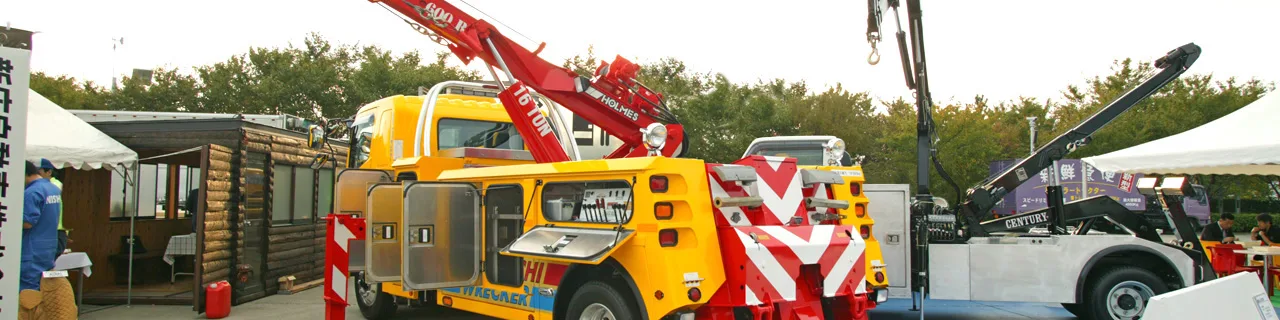
Not every tow is the same. Some vehicles can be moved with standard towing equipment, while others may need a flatbed or special loading method because of damage, size, driveline issues or other handling concerns. You do not need to diagnose the tow yourself, but you should describe the condition accurately.
Helpful details include:
- flat or damaged tires
- collision damage
- locked wheels or a stuck parking brake
- low ground clearance
- all-wheel drive or other handling considerations
- whether the vehicle can roll, steer or shift into neutral
That kind of information helps the operator decide what equipment to send and whether additional handling may be needed. Ontario says tow drivers must take reasonable precautions to avoid further damage to the vehicle.
Authorization and consent questions
Consent is a major issue in towing. In most situations, Ontario says your consent is required before a vehicle is towed unless the tow is initiated by police or another authorized official. Before the vehicle moves, the operator must give you their rates, provide a list of your rights, and get your consent.
Before you agree, ask these questions:
- Who is authorizing the tow?
- What company is towing the vehicle?
- What is the destination?
- What rates apply?
- What information will appear on the consent document?
Do not sign a blank form. Make sure the company name, driver certificate number and destination are filled in, and make sure you understand what you are agreeing to before the tow begins.
Ask for written rate components before service
A clear towing enquiry should include cost questions, but not in a vague way. Ontario requires towing and storage operators to provide their rates before providing service, and they must not charge more than their maximum rates. You should also be able to see an itemized invoice before payment is requested.
Ask for the written components of the rate so you know what may be included. Useful questions include:
- What is the towing charge?
- Are there separate charges for loading, unloading or special handling?
- Is storage billed separately from towing?
- Are there additional fees for after-hours access or special release situations?
- What payment methods are accepted?
Ontario also says you have the right to choose your payment method, including credit card, debit card and cash, and to receive a receipt after payment.
If storage is possible, ask these questions early
If a vehicle is going to a storage lot, it is worth asking about storage before the tow is completed. Storage can change both the release process and the total amount due.
Ask the operator:
- where the vehicle will be held
- how you will be notified
- how you retrieve the vehicle
- whether you can access personal belongings from the vehicle
- whether any extra charge applies for release outside normal hours
Ontario says storage operators must make reasonable efforts to tell you where the vehicle is being held and how to retrieve it. They also must allow access to the vehicle for the owner or someone acting on the owner’s behalf, unless police direct otherwise. Access to retrieve personal belongings is generally supposed to be allowed during regular operating hours free of charge.
Practical tradeoffs when comparing towing options
When you are deciding how to proceed, the main tradeoff is usually between speed, control and the type of service needed. A direct tow request may be the simplest option if the vehicle is in a normal accessible location and you already know the destination. If the vehicle is blocked in, damaged or in a more complex location, equipment needs may matter more than convenience.
If the tow is connected to a highway incident, the rules may be stricter. If the vehicle is in a restricted towing zone, authorized towing rules can limit who may respond. If the vehicle is elsewhere, your own choice of tow provider and destination is usually more relevant. Either way, the key is to ask the same basic questions up front so you can compare the service on facts, not assumptions.
Questions to ask before you book
You can use this short checklist when contacting a towing service in St. Thomas:
- Can you tow this type of vehicle?
- What equipment do you expect to use?
- Where will the vehicle be taken?
- What rates apply and what is included?
- Will I get a written consent document and itemized invoice?
- What happens if the vehicle needs storage?
- How can I access the vehicle or retrieve belongings later?
FAQ
Do I have to approve the tow first?
Usually yes. In Ontario, consent is generally required unless the tow is initiated by police or another authorized official.
Can I choose where the vehicle goes?
In most situations, yes. Ontario says you have the right to choose the destination for the tow, except in some restricted towing zone situations.
Should I ask about storage before the vehicle is moved?
Yes. If storage is possible, ask where the vehicle will be held, how you will be notified, and what the release process will be.
What should be on the paperwork?
Check that the operator name, driver certificate number and destination are listed, and that the form is not blank when you sign it.
What if the vehicle is on a provincial highway?
That may change which towing rules apply. Ontario has restricted towing zones on some provincial highways, where only authorized towing companies can remove vehicles.
If you are preparing a towing enquiry in St. Thomas, the best approach is to have the vehicle details, location, destination and authorization questions ready before you call. That keeps the conversation focused and helps you understand the service, the paperwork and the storage process before anything is moved.