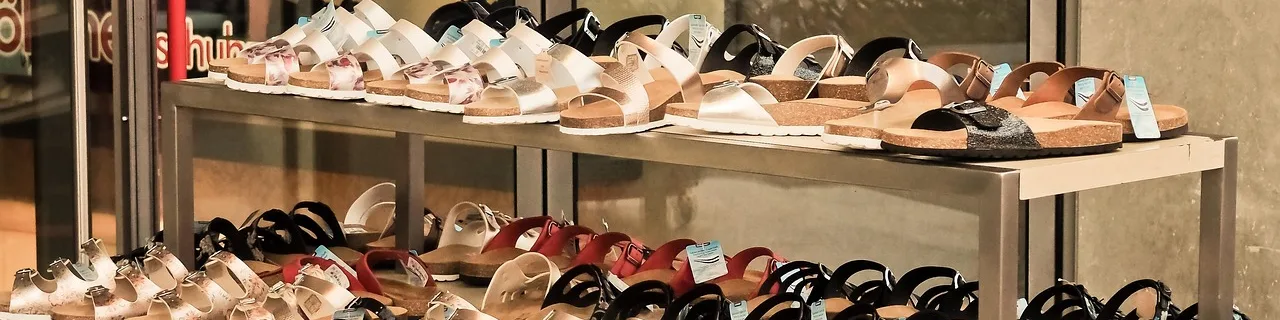
Shoe Stores in St. Thomas: Choose Shoes With Fit and Use in Mind
If you are looking for shoe stores in St. Thomas, Ontario, the most useful question is not just what looks good. It is what will fit your foot, suit how you will wear it, and still work after you take it home. A good shoe purchase balances activity, size, materials, comfort, accessibility, and return options.
This category is best approached with a simple checklist. Start with your main use, then check fit and width, then look at material and care, and finally confirm try-on, accessibility, orthotic compatibility, and returns. That order helps you compare stores without getting distracted by style alone.
Start with how you will use the shoes
Different shoes serve different purposes, and the right store choice often depends on what you need them for. A pair for daily walking, school, work, indoor use, or seasonal weather may all call for different features. If you shop with your use in mind, you are more likely to leave with shoes you will actually wear.
Useful questions to ask yourself include:
- Will these shoes be worn every day or only occasionally?
- Will you be standing, walking, or moving a lot in them?
- Do you need them for dry indoor wear, outdoor use, or changing weather?
- Do you prefer a lighter feel, more support, or easier fastening?
This is a practical first step because style alone does not tell you whether a shoe will be comfortable in real use.
Fit matters more than the label on the box
Fit is one of the most important parts of buying shoes. Even a well-made pair can feel wrong if the length, width, or shape does not match your foot. A store that offers time for try-on and staff help can make a difference, especially when you are comparing sizes or trying a new style.
When you try on shoes, pay attention to:
- Toe room at the front
- Heel hold without slipping
- Width across the forefoot
- Whether both shoes feel even
- How the shoe feels when you walk, not just when you stand still
It is also worth asking whether the style comes in different widths. Some shoes are offered in wider or narrower options, and that can matter as much as length. If you often need a different fit than standard sizing, ask about the size range before you settle on a style.
Materials change comfort, care, and durability
The material of a shoe affects how it feels, how it wears, and how much care it may need. Different materials can be better for different uses. Breathable materials may feel lighter in warm weather or active settings. More structured materials may offer a different feel for daily wear or cooler conditions.
It helps to ask about the tradeoff between appearance and maintenance. Some materials may need regular cleaning or protection, while others are easier to wipe down. If you plan to wear a pair often, ask how to care for it and what products are suitable for the material.
Common care questions include:
- How should the shoe be cleaned?
- Does the material need protection from moisture or stains?
- Are special cleaners or conditioners recommended?
- Will the finish show wear quickly?
These questions matter because a shoe that looks good in the store may need more upkeep than you expect.
Accessibility and in-store try-on are part of the experience
When comparing shoe stores, think about the store itself as well as the shoes. If you want to try on several pairs, the store layout, seating, and ease of moving around can matter. A comfortable try-on process can make it easier to compare fit honestly instead of rushing through the decision.
For many shoppers, accessibility also includes practical details such as easy entry, enough room to move, and staff who can help with sizing questions. If you use mobility aids or prefer a slower try-on process, it is reasonable to ask ahead about the shopping setup or whether help is available when you arrive.
Try-on is especially useful when you are choosing between similar-looking pairs. What feels identical in the hand can feel very different once you walk in it.
Orthotic compatibility and insert questions
If you wear orthotics or another insert, ask about compatibility before you buy. Not every shoe has the same interior space, removable footbed, or shape, and those details can affect whether the shoe works for you.
Helpful questions include:
- Can the footbed be removed?
- Is there enough depth for an insert?
- Will the shoe still fit properly after the insert is added?
- Does the style come in a width that gives more room?
This is a practical shopping question, not a medical one. The goal is simply to make sure the shoe and your insert can work together comfortably.
Return policies are part of the purchase decision
Before you buy, ask about returns and exchanges. Even after trying a shoe on in store, you may discover at home that the fit is not quite right, or that it does not work with your usual routine.
It is useful to confirm:
- Whether returns are accepted
- How long you have to make a return or exchange
- Whether the shoes must be unworn or in original condition
- Whether sale items follow different rules
Clear return terms reduce the risk of a rushed decision. They also make it easier to compare stores when you are choosing between similar pairs.
How to compare shoe stores in St. Thomas
When you compare shoe stores in St. Thomas, Ontario, focus on the shopping questions that affect the final fit and your day-to-day use. The best choice for one shopper may not be the best choice for another.
| What to compare | Why it matters |
|---|---|
| Main use | Helps narrow the type of shoe you need |
| Fit and width | Affects comfort and wearability |
| Materials | Changes feel, durability, and care needs |
| Try-on setup | Makes it easier to judge comfort |
| Accessibility | Matters if you need an easier shopping experience |
| Orthotic compatibility | Important if you use inserts |
| Returns | Protects you if the shoe does not work out |
A simple comparison like this helps you shop with a plan instead of guessing from appearance alone.
Care and upkeep after purchase
Good care can help shoes last longer and stay more comfortable. Ask whether the store recommends a cleaner, protector, polish, or other care product for the material you are buying. Some materials are low maintenance, while others need more attention to stay in good shape.
It also helps to ask how often a shoe should be cleaned or protected. That question is especially useful if you expect to wear the shoes often or in changing weather.
Frequently asked questions
What should I bring when I shop for shoes?
Bring the socks, inserts, or orthotics you usually wear. That makes the try-on more accurate and helps you judge real fit.
Is size alone enough to choose the right shoe?
No. Size is only one part of fit. Width, shape, material, and how the shoe feels while walking all matter too.
Should I ask about return rules before I buy?
Yes. Return and exchange policies can affect whether a shoe is a safe choice, especially if you are trying a new style or fit.
Do all shoes work with orthotics?
No. Ask about removable insoles, interior depth, and width before you buy so you can tell whether the shoe is likely to work with your insert.
Bottom line
When you look for shoe stores in St. Thomas, Ontario, the best approach is to shop with a checklist. Think about use, fit, width, material, accessibility, try-on, orthotic compatibility, care, and returns. That gives you a clearer way to compare options and choose shoes that suit your needs without relying on guesswork.
For more local business and service information, see the St. Thomas, Ontario: Local Businesses and Services guide.