
Import & Export Agents in St. Thomas: Prepare an Import or Export Service Brief
If you are looking for import and export agents in St. Thomas, Ontario, the most useful first step is to prepare a clear service brief. A good brief should describe the goods, where they are coming from or going to, how much is moving, what documents exist, who handles classification, what transport is involved, what customs support you need, and the commercial terms that apply. That gives you a practical way to compare providers without expecting any customs or market-entry guarantee.
Import and export support can cover several different tasks. Some providers focus on customs brokerage and paperwork support. Others may also help with freight forwarding, trade compliance, warehousing, or broader logistics coordination. The right fit depends on whether you need help with a single shipment, repeated cross-border moves, or a wider compliance process.
What to prepare before you request help
Before you contact an agent, gather the basics that affect clearance and transport. The more precise your brief, the easier it is to get a useful answer.
- Goods description: What the product is, what it is made of, and whether it is finished goods, parts, samples, equipment, or commercial inventory.
- Origin and destination: Where the goods are coming from and where they are going, including the country of export and the country of import.
- Quantity and unit of measure: Count, weight, volume, pallets, cartons, or other shipment measurements.
- Document set: Commercial invoice, packing list, bill of lading, air waybill, certificate of origin, permits, licences, or any product-specific paperwork.
- Timing: Whether the shipment is urgent, recurring, seasonal, or tied to a production schedule.
- Transport mode: Truck, ocean, air, courier, or a mixed route.
- Commercial terms: The Incoterms or other contract terms that define who pays for freight, insurance, duties, and brokerage services.
Why classification responsibility matters
One of the most important questions is who is responsible for product classification. Tariff classification affects how the shipment is reported and can influence duties, taxes, supporting documents, and compliance checks. In practice, you want to know whether the agent will prepare the classification for you, confirm a classification you provide, or ask you to supply product data for review.
Do not assume the same approach works for every product. A simple commodity may be easier to describe than a complex assembly, a regulated item, or a product with mixed materials. A strong import and export brief should include enough product detail for the agent to assess the classification path and any follow-up questions.
What customs support can include
Customs support is broader than filing forms. Depending on the shipment and provider scope, support may include document review, declaration preparation, tariff guidance, coordination with carriers, communication about required data, and follow-up on compliance questions. If you need repeated support, ask how the provider handles corrections, missing information, and post-entry issues.
You should also ask what the provider expects from you before filing. Some agents may need product specifications, supplier documents, importer information, or proof that the commercial terms match the paperwork. Others may work through a step-by-step intake process so you can correct gaps before the shipment moves.
Compliance checks to ask about
Compliance checks help reduce avoidable delays. They do not guarantee approval, but they can surface issues before the shipment reaches the border or the receiving market.
Useful questions include:
- Has the product description been checked for consistency across all documents?
- Has the classification been reviewed against the actual goods?
- Are any permits, licences, or certificates needed for the product type?
- Do the declared values, quantities, and Incoterms align?
- Is the consignee, importer, or exporter information complete and current?
- Are there origin or destination-specific rules that change the paperwork?
If your goods are regulated, ask how the provider handles document review for those specific requirements. If the shipment is routine, ask whether the same review process applies or whether a lighter workflow is available.

Transport and handoff decisions
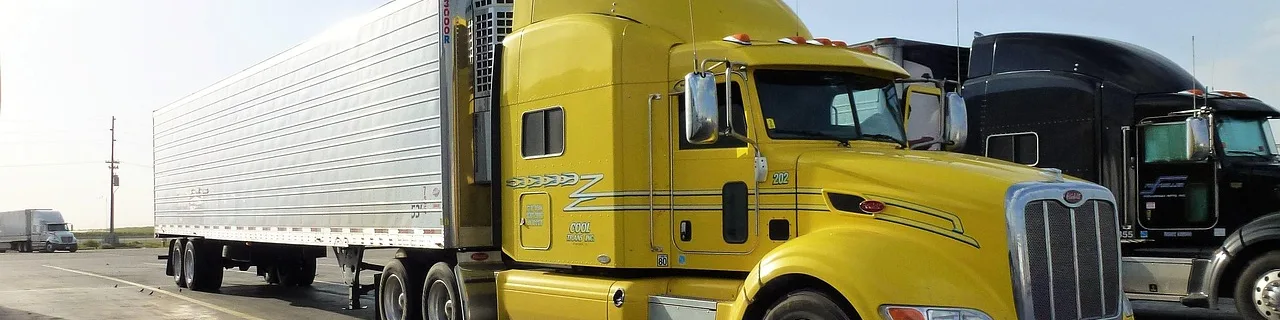
Transport is part of the service brief because customs work and physical movement need to match. The agent should know who books the transport, who controls the handoff, and where the goods will enter or leave the chain. That matters for timing, document sequence, and cost allocation.
When comparing options, decide whether you need:
- Customs-only support for a shipment already arranged with a carrier.
- Freight forwarding plus customs support for a more coordinated process.
- Ongoing trade support for recurring imports or exports with repeated documentation needs.
Each option has tradeoffs. Customs-only support can be simpler if your logistics are already in place. Broader coordination can reduce handoff gaps if the shipment has multiple legs or several parties involved. The best choice depends on how much of the process you want managed by one provider.
How commercial terms affect the brief
Commercial terms are easy to overlook, but they affect who is responsible for freight, insurance, duties, and related charges. If the terms are unclear, the customs process can become harder to manage because parties may assume different responsibilities.
Include the contract terms in your brief and ask the provider to confirm how those terms affect their service. That helps prevent confusion about who is arranging transport, who is paying which charges, and who is responsible for resolving document gaps. If you are unsure about the terms, ask your commercial team or supplier to confirm them before the shipment is filed.
Questions to ask when comparing agents
Use a consistent set of questions so you can compare providers on service fit, not just on general claims.
- Which shipment types do you support?
- What documents do you need before you can start?
- How do you handle tariff classification questions?
- What compliance checks do you perform before filing?
- How do you coordinate with carriers or freight partners?
- How do you handle corrections or missing information?
- What communication format do you use for updates and document requests?
You are not looking for a guarantee. You are looking for a clear process, a realistic scope of support, and a provider that can explain what is needed before the shipment moves.
St. Thomas context and local fit
St. Thomas is a city in southwestern Ontario and the seat of Elgin County. For local businesses, that means import and export support may be part of wider regional supply chain planning, especially when shipments connect with Ontario and cross-border trade routes. The practical question is not whether a provider has a slogan. It is whether the provider can handle the documents, transport coordination, and compliance steps your goods actually require.
If you are comparing agents in St. Thomas, use the city page and directory profiles together. The city page gives local context, while directory listings provide current provider details. That is the best way to keep your decision focused on service fit instead of general marketing language.
Simple service brief template
You can use this format when you first reach out:
| Brief item | What to include |
|---|---|
| Goods | Product name, materials, use, and whether it is a finished item or component |
| Origin and destination | Country of export and country of import |
| Quantity | Units, weight, cartons, pallets, or other measure |
| Documents | Invoice, packing list, transport document, certificates, permits, or licences |
| Classification | Who will assign or confirm tariff classification |
| Transport | Mode, route, and who arranges the carrier |
| Compliance checks | Required reviews, product rules, and document checks |
| Commercial terms | Who pays freight, duties, insurance, and related charges |
FAQs
What is the main job of an import and export agent?
An import and export agent helps manage the paperwork, customs steps, and coordination needed to move goods across borders. The exact scope can include brokerage, logistics support, compliance review, or a combination of those tasks.
Do I need to know the tariff classification before I contact an agent?
No, but you should be ready to describe the goods clearly. Some providers will confirm a classification you already have, while others will help determine it from the product details you supply.
What documents matter most?
The core documents are usually the commercial invoice, packing list, and transport document. Depending on the goods, you may also need certificates, permits, licences, or other supporting records.
Can an agent guarantee customs approval or market entry?
No. A provider can help prepare and review the shipment, but it should not promise a guaranteed customs outcome or market-entry result.
What is the best way to compare providers?
Compare the clarity of their process, the scope of support they offer, and how well they handle your specific goods, transport mode, and documentation needs.