Hair Removal Studios in St. Thomas: What to Know Before You Book
If you are comparing hair removal studios in St. Thomas, Ontario, the most useful first step is to decide what area you want treated, what result you are hoping for, and which method you want to ask about. That keeps the conversation practical and helps you compare studios on the details that matter most, such as technique, consultation, consent, aftercare and whether the studio can explain its written scope clearly.
For a neutral local guide, the main job is not to pick a winner for you. It is to help you ask better questions so you can decide whether a studio’s approach fits your needs.
Start with the treatment area and your goal
When you contact a studio, describe the treatment area as precisely as you can. For example, say whether you want facial hair removed, underarm hair reduced, legs treated, or a smaller area like the lip, chin or bikini line. If you are looking for a broader plan, say whether your goal is regular hair removal, hair reduction, or simply less frequent upkeep.
That matters because different methods are often better suited to different areas, hair types and personal preferences. It also helps the practitioner explain what kind of appointment length, preparation and aftercare are involved.
Useful information to share before booking:
- The exact area or areas you want treated
- Whether this is your first appointment
- Any recent sun exposure, skin irritation or sensitivity
- Whether you are looking for waxing-style removal, sugaring or laser-based treatment
- Whether you want a one-time appointment or a longer-term plan
Ask which method the studio uses
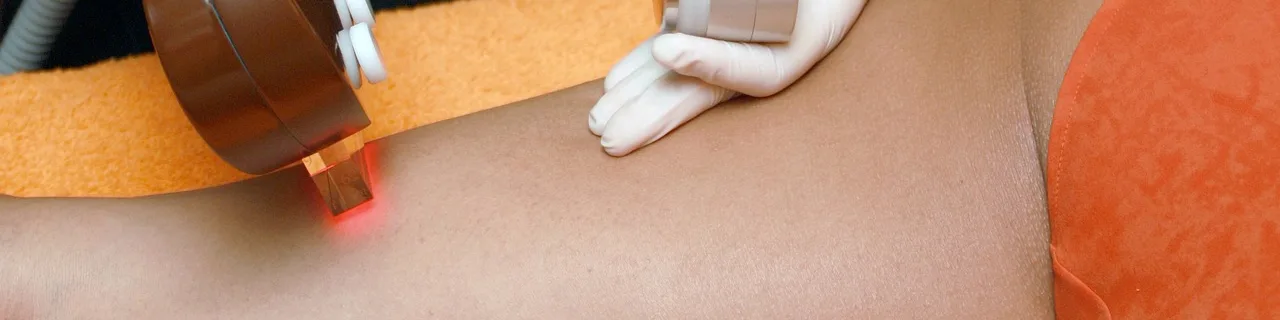
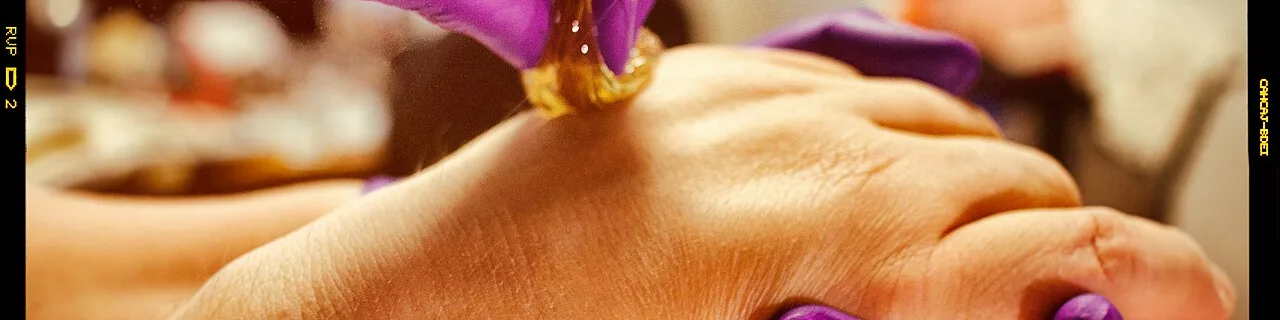
Hair removal studios may offer more than one method, and the method shapes the experience. Some clients prefer a root-removal approach because they want a natural-feeling option or a specific technique. Others want to ask about laser hair reduction because they are interested in a longer-term hair reduction plan. What matters most is understanding how the method works, what the appointment feels like and how many visits may be involved.
You do not need to decide in advance which method is best for your skin or hair. Instead, ask the studio to explain the differences in plain language. A good consultation should make the tradeoffs easier to understand, not harder.
Ask these method questions:
- What method do you use for this area?
- How does the process work step by step?
- What should I expect during the appointment?
- How should I prepare before I come in?
- What aftercare do you recommend?
Check practitioner qualifications and training
For a category like hair removal, the right question is not whether a provider uses one title or another. It is whether the person treating you can explain their training, experience and process clearly and appropriately for the service they are offering. The useful part is understanding who will perform the treatment and what experience they bring to that appointment.
You can ask how long they have offered the service, what training they have for the method you want, and whether they regularly treat your chosen area. If the service is more technical or skin-sensitive, ask who should handle your questions and whether there are any situations that need a consultation before booking.

Use the consultation to compare options
A consultation is one of the best ways to compare studios without relying on assumptions. It gives you a chance to describe your goals, ask about the method and understand whether the studio communicates clearly. If a studio offers more than one service, the consultation also helps you narrow the choice to the option that fits your comfort level and goals.
During the consultation, pay attention to whether the practitioner explains what they can do, what they cannot promise and what may affect the outcome. That kind of direct conversation is more useful than general claims about results.
A good consultation should cover:
- Your treatment area and goal
- The method used and why it is being suggested
- Preparation before the appointment
- Consent and what you are agreeing to
- Aftercare and possible short-term effects
- How to book follow-up visits, if needed
Ask about preparation and timing
Preparation can affect comfort and results, especially if you are trying a service for the first time. Ask what the studio wants you to do before your appointment, and follow those instructions closely. The details may vary by method, but the goal is usually to reduce avoidable irritation and make the appointment more efficient.
Common preparation questions include whether you should trim hair first, avoid certain skin products, skip sun exposure, or wait after exfoliating or shaving. If the studio provides written instructions, keep them handy so you can prepare correctly.
It is also smart to ask how long the appointment may take and whether you should plan for any temporary redness, sensitivity or downtime afterward.
Understand consent and the written scope
Before any treatment, you should know what you are consenting to. A written scope should explain the service, the area being treated, what the studio will and will not do, and any important limits or precautions. This is useful for both first-time and repeat appointments because it reduces confusion and helps set expectations.
A written scope does not need to be complicated. It should be plain enough that you can understand what is included, what is excluded and what the studio expects from you. If anything is unclear, ask for clarification before treatment begins.
Look for a written scope that covers:
- The service name and treatment area
- Any required preparation
- Expected temporary effects such as redness or sensitivity
- Aftercare guidance
- Any situations where treatment may be delayed or adjusted
- Who to contact if you have questions after the appointment
Compare aftercare before you book
Aftercare is part of the service, not an extra detail. Different methods call for different steps afterward, but you should always know what to expect once the appointment is over. That may include avoiding heat, friction, active skin products or other triggers for a short time. The studio should explain the basics in simple terms.
If you have a busy schedule, aftercare matters because it can affect when you should book. Some people prefer appointments before days off or before events, while others want a method that fits easily into their routine. Ask what the short-term recovery or maintenance pattern looks like so you can plan realistically.
Tradeoffs to think about
When you compare hair removal studios, the main tradeoff is usually between comfort, maintenance, method and long-term goals. A root-removal service may fit someone who wants a straightforward appointment and regular upkeep. A laser-based service may appeal to someone who wants to explore longer-term hair reduction and is prepared for a different treatment schedule. Neither approach is automatically better for everyone.
The best choice is the one that matches your treatment area, your skin sensitivity, your schedule and your expectations. A good studio will help you understand those tradeoffs without overselling the outcome.
| Question to ask | Why it helps |
|---|---|
| What method do you use? | Clarifies how the treatment works and what to expect |
| Who will perform the service? | Helps you understand training and experience |
| What should I do before the appointment? | Improves comfort and reduces avoidable issues |
| What does consent cover? | Makes the scope and limits clear |
| What aftercare should I follow? | Helps you plan for the hours and days after treatment |
How to compare studios in St. Thomas
In St. Thomas, you can use the same comparison checklist for any studio in the category. Focus on communication, method, consultation and the clarity of the written scope. A studio does not need to promise a permanent result to be useful. What matters is whether it explains the service honestly and gives you the information you need to book with confidence.
If you are still deciding, compare how each studio answers the same questions. The clearest answers are often the most helpful ones.
FAQ
What should I say when I first contact a hair removal studio?
Tell them the treatment area, your goal, whether it is your first appointment and which method you want to ask about. If you have skin sensitivity or recent irritation, mention that too.
Should I ask for a consultation first?
Yes, if you want to compare methods, ask about preparation or make sure the service matches your goal. A consultation is a practical way to confirm the written scope before booking.
Is one hair removal method always better than another?
No. The better method depends on the area, your comfort level, your maintenance preferences and the kind of result you want to explore.
What should be in the written scope?
It should explain the service, the area being treated, preparation, consent, aftercare and any important limits or exclusions.
Can a studio promise permanent results?
No responsible guide should promise that. Ask the studio to explain the expected goal, maintenance pattern and limits of the method instead.
If you are comparing hair removal studios in St. Thomas, Ontario, the safest approach is to ask clear questions, review the written scope and choose the method that fits your treatment area and goals.