Environmental Testing Laboratories in St. Thomas: Define an Environmental Testing Enquiry
If you are looking for environmental testing laboratories in St. Thomas, Ontario, start by defining exactly what you need tested, why it needs testing, and how the sample must be collected. Those choices affect the type of laboratory, the handling steps, the reporting format, and whether the result can support a regulatory, property, workplace, or planning purpose.
The practical job is not finding a generic lab. It is matching the sample type and test purpose to a laboratory that is accredited for the relevant method, can accept the sample under the correct collection protocol, and can issue a report that fits your intended use.

Start with the sample type and the question you are trying to answer
Environmental testing can cover very different sample types. A lab that is suitable for one kind of sample may not be the right fit for another. Before you contact a laboratory, be clear about what you have and what you need to know from it.
- Drinking water: Often tied to compliance or safety questions and may require specific licensing and accreditation requirements in Ontario.
- Soil or sediment: Usually tied to site assessment, contamination screening, or project planning.
- Groundwater or surface water: May require different preservation, containers, and timing than drinking water.
- Indoor air, dust, or other environmental media: May call for method-specific collection and interpretation.
The sample type matters because the laboratory method, container, shipping conditions, and report language all depend on it. If the sample is collected incorrectly, the lab may still receive it, but the result may not be useful for your purpose.
Confirm the testing requirement before you book
Not every environmental question uses the same standard or test method. One of the most useful things you can do is confirm which requirement applies before sending a sample. That may include a municipal, provincial, federal, or project-specific requirement, depending on what you are testing and why.
This is especially important when the result will support a regulated process or a decision with formal consequences. In those cases, ask what rule, standard, or program the testing must satisfy. If you are not sure, the lab can often explain its scope, but it should not be treated as a substitute for confirming the actual requirement for your situation.
Why accreditation matters
Accreditation is one of the clearest ways to judge whether a laboratory is set up to do a specific type of environmental testing competently. CALA explains that accreditation is a means of determining the technical competence of laboratories to perform specific types of testing, and that accreditation provides formal recognition that laboratories are competent, impartial and independent. CALA also says the environmental laboratory accreditation program provides assurance that laboratories are competent to carry out environmental testing that supports environmental monitoring programs and regulations, and that an environmental laboratory must meet both the management and technical requirements of ISO/IEC 17025.
For drinking water testing in Ontario, CALA notes that laboratories testing Ontario drinking water samples must be licensed, and one of the conditions of licensing is accreditation. That does not answer every possible testing question, but it does show why accreditation is a practical first check when the sample will support a regulated use.
In plain terms, accreditation helps you confirm three things:
- The lab is recognized for specific testing activities, not just environmental work in general.
- The lab is assessed against a quality system and technical standard.
- The lab is expected to maintain that status through reassessment and relevant proficiency testing.
What to ask about accreditation
- Is the laboratory accredited for the exact test or method you need?
- Does the accreditation cover the sample type you are submitting?
- Does the report need to identify the accredited method or scope?
- If the test is for drinking water in Ontario, does the lab meet the applicable licensing and accreditation requirement?
These questions matter because accreditation is method-specific. A laboratory may be accredited for some environmental analyses and not others.

Collection protocol is part of the service, not an afterthought
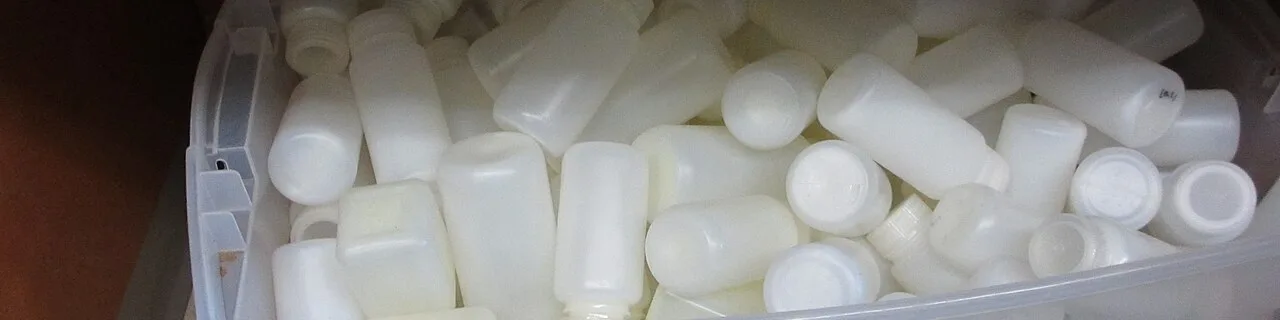
Environmental samples often depend on proper collection. The collection protocol is the set of steps that keep the sample valid from the moment it is taken to the moment it is analysed. That can include the container type, preservation method, storage temperature, timing, and who is allowed to collect the sample.
For many readers, this is the biggest tradeoff to understand. A convenient sample is not always a valid sample. If the sample will be used for compliance, planning, or a formal decision, a laboratory’s instructions matter as much as the test itself.
Ask the lab whether the sample must be:
- Collected by a trained sampler or the client
- Placed in a specific container
- Preserved immediately after collection
- Kept within a temperature range during transport
- Delivered within a specific holding time
If you miss one of these steps, the lab may not be able to report the sample as intended, even if the analytical work itself is sound.
Chain of custody protects the sample record
Chain of custody is the documented record of how the sample was handled from collection through delivery and analysis. It is especially important when the results may be used for regulatory, legal, contractual, or dispute-related purposes.
A complete chain of custody usually shows:
- What was sampled
- When and where it was collected
- Who collected it
- How it was sealed or identified
- Who received it at the laboratory
- Any transfers during transport or handling
If you need a result that can be traced and defended later, do not treat chain of custody as paperwork only. It is part of the integrity of the sample record.
Reporting scope and interpretation are not the same thing
Another common issue is assuming the laboratory report will answer every follow-up question. In reality, a report and an interpretation are related but not identical.
A laboratory report usually tells you what was analysed and the measured result. It may also show detection limits, method notes, qualifiers, and accreditation details. Interpretation goes further and asks what the result means in the context of a regulation, guideline, project goal, or property condition.
That distinction matters because a lab can provide analytical results without making a decision for you. Avoid expecting the laboratory to decide compliance, property liability, medical meaning, or legal outcome unless that is clearly within the scope you have confirmed separately.
What to look for in the report
- The sample identifier matches your chain of custody
- The correct test or method is listed
- Units are clear
- Any qualifiers are explained
- The reporting limits are shown where relevant
- Accreditation or scope information appears if required
A practical comparison of common choices
| Choice | What it affects | Why it matters |
|---|---|---|
| Sample type | Method, container, preservation, handling | Different media need different laboratory workflows |
| Purpose of testing | Required standard, report format, interpretation scope | Compliance, screening, and planning may not use the same test |
| Accreditation | Technical recognition for specific work | Helps confirm the lab is recognised for the needed test |
| Collection protocol | Sample validity | Incorrect handling can weaken or invalidate the result |
| Chain of custody | Traceability and defensibility | Important when results may be reviewed later |
| Reporting scope | What the report can and cannot say | Prevents overreading the result |
How to narrow your search in St. Thomas
When you search for environmental testing laboratories in St. Thomas, Ontario, use the location to find nearby options, but choose on scope first. A nearby lab is only helpful if it can handle the sample type, required method, and reporting needs you have already identified.
A simple way to screen options is to ask these questions in order:
- What exactly am I sampling?
- What question am I trying to answer?
- What testing requirement applies?
- Is the lab accredited for that specific work?
- What collection and chain of custody steps are required?
- What will the report include, and what will it not interpret?
If a laboratory can answer those questions clearly, it is easier to compare it with other directory options without relying on guesswork.
What you should not assume
Do not assume that all environmental laboratories offer the same scope, even if their category listing sounds similar. Do not assume a sample can be dropped off without collection instructions. Do not assume a result automatically answers the larger compliance or property question. And do not assume the report can replace a qualified review of the underlying requirement when one is needed.
Those limits are not a weakness. They are part of using environmental testing correctly.
Frequently asked questions
Do I need an accredited laboratory for every environmental test?
Not always, but accreditation is important when the test supports regulated, formal, or high-stakes decisions. The right level of accreditation depends on the sample type, test method, and intended use.
Can I collect the sample myself?
Sometimes yes, sometimes no. The answer depends on the sample type and the protocol. If self-collection is allowed, the lab should give clear instructions for containers, preservation, timing, and delivery.
Is chain of custody always required?
It is especially important when the result may be reviewed later for legal, regulatory, contractual, or dispute reasons. Even when it is not formally required, it can still help keep the sample record clear.
Will the laboratory tell me what the result means?
The lab can usually explain the analytical report, but interpretation is limited. It is best to confirm whether you need only the result or also a separate review of what the result means for your specific situation.
Bottom line
When you are comparing environmental testing laboratories in St. Thomas, Ontario, start with the sample type, the purpose of testing, and the specific requirement you need to meet. Then confirm accreditation, collection protocol, chain of custody, and the scope of reporting. That approach helps you choose a laboratory that can produce a useful result rather than just process a sample.
For more local context, see the St. Thomas, Ontario: Local Businesses and Services parent page.