Pilates Studios in St. Thomas: What to Know Before You Book
If you are comparing pilates studios in St. Thomas, Ontario, start with the basics: class format, equipment, level, instructor background, accessibility, modifications, and how the studio handles booking and participation questions. Those are the details that usually matter most when you are trying to figure out whether a class will fit your experience level, schedule, and comfort level.
One useful way to think about pilates is that the word can cover different class styles and teaching approaches. Some studios focus on mat-based classes, while others may offer equipment-based sessions or a mix of both. The right choice depends on whether you want a simpler entry point, more guided support, or a particular type of training environment.
In St. Thomas, you may also see wellness-focused businesses that combine pilates with broader fitness or movement services. A local fitness centre says it welcomes all levels and offers a variety of yoga, spin and fitness classes. That is a good reminder to compare the actual class format instead of assuming every studio follows the same structure.
What to compare first
When you are narrowing down options, focus on the parts of the experience that affect your first few visits. A studio can look appealing on paper, but the practical details determine whether the class is workable for you.
Class format
Ask whether the class is mat-based, equipment-based, or a blend of both. Mat classes usually need less setup and can be easier to start with. Equipment-based classes may give more guided resistance and support, but they can also feel less familiar if you are new to pilates.
Also ask whether the class is group-based, semi-private, or private. Group classes are often more social and accessible, while private sessions can give more individualized attention. Semi-private sessions may sit in the middle, with more coaching than a large class but less cost than fully private instruction.
Equipment and setup
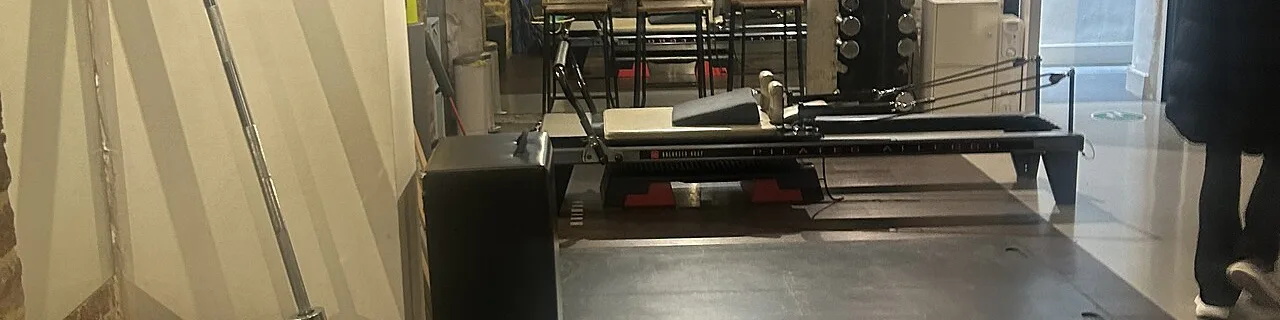
Different pilates environments use different equipment, and that changes both the pace and the feel of class. If a studio uses specialty apparatus, ask what you need to bring, what is provided, and whether the equipment is part of every class or only selected sessions.
If you prefer a lower-commitment start, a mat class may be easier because it usually involves fewer moving parts. If you want more structure or support, equipment-focused classes may be worth considering, especially if the studio explains how beginners are introduced to the apparatus.
Level and class progression
Not every pilates class is designed for the same starting point. Some classes are open to all levels, while others assume prior experience or a certain level of control and coordination. If you are new, look for beginner-friendly classes or ask how the instructor adjusts for first-time participants.
It also helps to ask how progress is handled. Some studios keep a steady pace for mixed-level groups, while others expect you to move through stages over time. A clear progression can help you build confidence, but it may also be less flexible if you want drop-in style participation.
What to ask about the instructor
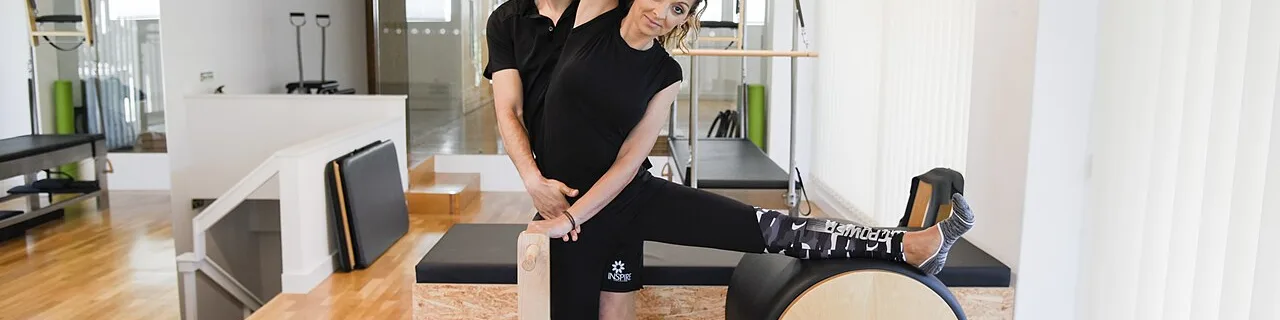
Instructor background matters because pilates is a technique-based practice. Good teaching is not just about leading a workout. It also involves cueing, observation, and offering appropriate modifications. You do not need a long credentials list to benefit from a class, but you do want to know how the instructor approaches instruction.
Useful questions include:
- What training or certification does the instructor have?
- Do they regularly work with beginners?
- How do they cue form and breathing?
- How do they handle different ability levels in one class?
- Do they offer alternatives if a movement does not feel right?
These questions are especially helpful if you are returning to exercise after time away or if you prefer a class that is structured and easy to follow. Instructor style can make a big difference in how approachable the session feels.
Accessibility and modifications
Accessibility is one of the most important practical considerations. Before booking, check whether the studio entrance, washrooms, and class area work for your needs. If you use mobility aids, have balance concerns, or need extra space, ask directly rather than guessing from photos or a short description.
Modifications are also worth asking about. A good class should be able to adapt exercises for different bodies and comfort levels. That does not mean every movement will be changed for every person, but it does mean the instructor should be able to suggest safer or more manageable options when needed.
If you have a specific movement limitation, be clear about it when you contact the studio. You do not need to share more than you are comfortable with, but the instructor should know enough to tell you whether the class format makes sense for you. This is about fit and safety, not treatment or guarantees.
Booking and participation questions
Before you commit, ask how the studio handles sign-up, cancellations, and late arrivals. Those practical details can matter just as much as the class itself, especially if you are choosing between drop-in sessions and a structured series.
Useful booking questions include:
- Do you need to book in advance?
- Can you drop in to a class, or is registration required?
- Are beginner classes separate from general classes?
- What should you bring to your first session?
- What happens if you are late or need to cancel?
You should also ask about participation expectations. Some studios expect quiet focus and limited interruption, while others create a more relaxed environment for questions and corrections during class. Neither approach is better in every case, but one may suit you more comfortably than the other.
How to choose the right fit
The best pilates studio is not necessarily the one with the most impressive-sounding program. It is the one that matches your goals, your comfort level, and the way you like to learn.
Here is a simple way to compare your options:
| What to compare | Why it matters | Good question to ask |
|---|---|---|
| Class format | Changes how the session feels and how much guidance you get | Is this mat-based, equipment-based, or both? |
| Level | Helps you avoid classes that are too advanced or too basic | Is this class suitable for beginners? |
| Instructor background | Affects cueing, pacing, and how changes are handled | How do you support different experience levels? |
| Accessibility | Determines whether the studio works for your mobility or space needs | Is the space accessible for my situation? |
| Modifications | Shows whether the class can be adapted safely | Can exercises be modified if needed? |
| Booking process | Affects flexibility and planning | Do I need to book ahead? |
Questions to ask before your first class
If you want a quick checklist, use these questions before you book:
- What type of pilates do you teach here?
- Is the class beginner-friendly?
- What equipment is used, if any?
- How do you handle modifications?
- What should I bring or wear?
- How do booking and cancellations work?
- Is the space accessible for my needs?
These questions help you compare studios without relying on vague descriptions. They also make it easier to tell whether a class is truly suitable for your needs before you arrive.
St. Thomas context
St. Thomas is a city in southwestern Ontario and the seat of Elgin County. For a local category guide, that matters less for the city’s history and more for simple practical planning: you are looking for a nearby studio that fits your routine, not a destination that requires a complicated commute. A straightforward comparison process is usually enough for most people choosing a pilates class in town.
FAQ
Is pilates only for experienced exercisers?
No. Many studios offer classes for different levels, and some welcome beginners. The key is to confirm whether the class is suitable for someone new to pilates.
Do you need equipment for every class?
Not always. Some classes are mat-based and use little or no equipment, while others rely on apparatus or a mix of tools. Ask what is included before you book.
Can pilates be modified?
Yes, in many cases. A good instructor should be able to suggest modifications or alternatives, especially if you need to adjust for comfort, mobility, or confidence.
Should you ask about instructor training?
Yes. Instructor background can help you judge how the class is taught and how well the teacher may handle different experience levels.
What should you bring to a first class?
That depends on the studio. Ask whether you need a mat, grip socks, water, or anything else before you arrive.
For more local browsing, start with the St. Thomas, Ontario: Local Businesses and Services page and compare the current directory listings from there.