
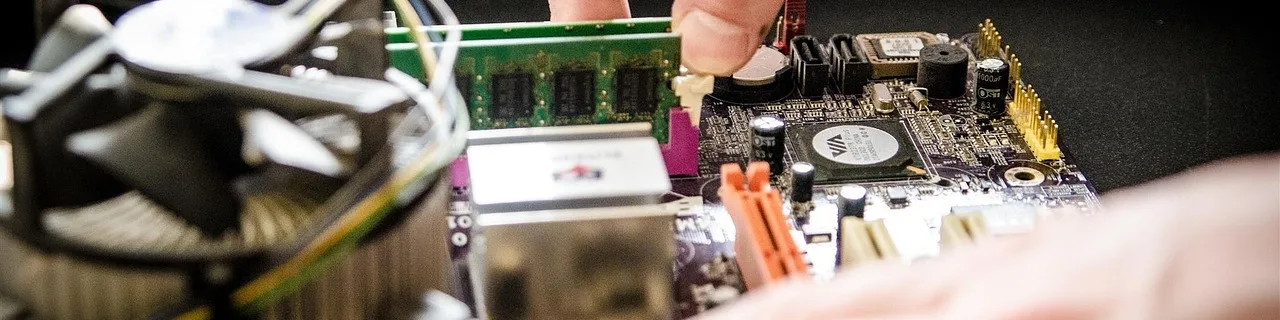
Computer Repair in St. Thomas: Prepare for Diagnosis and Service
If you are looking for computer repair in St. Thomas, the best first step is to choose a shop or technician that can clearly explain what they will check, what they need from you, and what happens if the repair is not worth the cost. For most people, the right provider is one that handles your device type, asks good questions about the symptoms, and gives you a clear diagnosis process before any work begins.
Preparing your device matters just as much. Back up what you can, write down the problem in plain language, and decide what you are willing to approve if the repair takes longer than expected or if replacement may be the better choice. That approach helps you avoid surprises and makes the appointment more useful.
What to look for in a computer repair service
A good repair service should make the process understandable. You do not need a long technical explanation, but you do need a provider that can tell you what kinds of issues they handle, how diagnosis works, and what information they need from you before they begin.
When you compare options, focus on practical fit rather than broad promises. Ask whether they work on laptops, desktops, or both. Ask whether they handle home devices, small office systems, or business networks. A shop that supports consumer computers may not be the right match for server or network issues, and a business IT provider may be more than you need for a single home laptop.
Local sources show that computer repair businesses in St. Thomas may offer a mix of services such as laptop and desktop repair, malware remediation, device setup, hardware sales, on-site service, or broader network and server support. That makes the first conversation important, because the right fit depends on whether you need help with one device or with a larger workplace setup.
Questions that help you compare providers
- Do you work on my device type and operating system?
- How do you diagnose the problem before starting repairs?
- What do you need from me before I bring the device in?
- Do you support consumer devices, business systems, or both?
- Will you tell me if repair is not the best option?
These questions are simple, but they help you judge whether the provider communicates clearly and whether the service matches your needs.
Describe the symptoms, not just the device
The most helpful thing you can bring to an appointment is a plain description of what is happening. Instead of saying the computer is broken, explain what you see, hear, or experience. A strong symptom description makes diagnosis faster and can reduce back-and-forth.
Useful details include when the problem started, whether it is constant or intermittent, and whether it happens during a specific task. For example, note if the computer will not power on, takes a long time to start, freezes during updates, makes unusual noises, or has display problems. If the issue happens after a spill, drop, power outage, software update, or new accessory, mention that too.
It also helps to list any changes made before the problem began. That might include installing new software, moving files, adding memory, replacing a charger, connecting a printer, or changing internet settings. Even if the change seems minor, it can help the technician narrow the cause.
Bring a short device history
You do not need a full technical record, but a short history is useful. Include the device brand and model if you know it, approximate age, whether it is a laptop or desktop, and whether it has been repaired before. If the computer has an older battery, a damaged port, a failing hard drive, or repeated overheating, mention that as well.
If you know whether the device uses a solid-state drive, a hard drive, or newer or older operating system software, that can also help. If you do not know, that is fine. The point is to share what you can in ordinary language.
Backup and privacy before the appointment
Backing up your files is one of the most practical steps you can take before repair. A repair appointment may involve testing, resets, part replacement, or software work. Even if the shop handles your device carefully, you should not assume every file will remain untouched during every repair.
If you can still access the computer, save copies of your important documents, photos, and other personal files to another drive or cloud account. If the device will not start, ask the provider what they can inspect first and whether you should avoid repeated attempts that could make the problem worse. Do not count on file recovery unless the technician specifically says that kind of work is part of the repair plan and explains the limits.
Privacy matters too. Think about what is already stored on the device and what the technician may need to access to diagnose the issue. If you have sensitive personal, financial, or work information on the computer, consider whether you want to remove external drives, disconnect accessories, or separate files that do not need to be there for the repair.
You do not need to hand over passwords unless they are truly needed for the work you approved. A technician may ask for a login if the repair requires testing inside your normal user account, but you can ask what is needed and why. If you are not comfortable sharing access, discuss alternatives before the appointment.

Diagnosis authorization and repair limits
Before work begins, ask how diagnosis is authorized. A clear repair process should tell you whether the shop will inspect the device first, contact you before doing extra work, and wait for approval if the diagnosis leads to a larger repair. This is especially important when the problem could be hardware, software, or both.
It is also smart to ask what happens if the repair is not economical. Sometimes the most helpful answer is that the computer can be fixed, but the cost and age of the device make replacement a better choice. A straightforward shop should be able to explain that tradeoff without pressure.
Make sure you understand the difference between diagnosis and repair approval. Diagnosis identifies the likely problem. Repair approval authorizes the shop to proceed. If you want a call before any extra charges, say that clearly.
Good questions to ask before leaving the device
- What is the diagnosis process?
- Will you contact me before any repair beyond the initial check?
- What information or password access do you need, if any?
- What happens if the repair cost does not make sense for the age of the computer?
- How will I know when to pick up the device or review the next step?
Repair versus replacement
One of the biggest decisions is whether to repair the device or replace it. There is no single rule that works for every computer. The answer depends on the age of the machine, the parts involved, the condition of the rest of the device, and how you use it.
Repair often makes sense when the problem is limited, the device still meets your needs, and the rest of the machine is in good condition. Replacement may make more sense if the computer is slow for everyday tasks, has repeated failures, needs several major parts, or no longer supports the software and performance you need.
Ask the technician to explain the issue in practical terms. If the repair is simple and the computer is otherwise healthy, repair may be the better value. If the machine has multiple weak points, a new or refurbished replacement may be more sensible than paying for a fix that only buys a short amount of time.
For business users, the decision may also depend on how much downtime the device causes and whether the computer is part of a larger network or server setup. For home users, the question is often simpler: does the repair return the computer to a reliable state, or is it only a temporary patch?
Consumer device work versus business network support
Not every computer repair service handles the same kind of work. Some providers focus on individual laptops, desktops, tablets, and home setup help. Others also support business networks, servers, and on-site service. That difference matters because a problem that looks like a simple computer issue may actually be part of a larger workplace system.
If your issue involves one personal device, you may only need standard repair or support. If the computer connects to shared files, office email, printers, a server, or a broader network, make sure the provider works in that environment. Business support often involves more coordination, more devices, and a different repair timeline than a single home computer.
Do not assume a general repair shop is automatically the best fit for network problems, and do not assume an IT-focused provider is necessary for a basic home device issue. The right choice is the one that matches the scale of the problem.
What to bring to the appointment
A short checklist can make the appointment smoother:
- The device and its charger or power cable
- A written summary of the symptoms
- Approximate start date of the problem
- Any relevant accessories, if they are related to the issue
- A note about recent changes, spills, drops, or updates
- Your preferred contact method for diagnosis approval
If the device is a desktop, bring only what is needed for the repair unless the shop asks for more. If the issue involves a printer, external drive, monitor, or network connection, ask in advance whether you should bring those items too.
How to talk about the problem clearly
Try to describe the issue the way you experienced it, not the way you think it should sound technically. For example, say the screen goes black after startup, the laptop runs hot and shuts down, the computer is slow after logging in, or the Wi-Fi disconnects repeatedly. Those are more useful than saying the motherboard is dead or the system has a virus unless you were told that by a technician already.
If you have tried a few basic steps, mention them without repeating them in detail. Say whether you restarted, tested another charger, unplugged accessories, or noticed the issue on more than one day. That helps the technician avoid redoing the same steps.
FAQs
Do I need to know the exact problem before I bring the computer in?
No. A clear description of the symptoms is usually enough. The technician can diagnose the cause after checking the device.
Should I back up my files before repair?
Yes, if you can do so safely. Backing up personal files helps protect your data if the repair involves resets, part replacement, or other changes.
Do I have to give out my password?
Only if the repair really requires it and you are comfortable doing so. Ask why it is needed and whether there is another way to complete the work.
How do I know whether to repair or replace the computer?
Ask about the age of the device, the scope of the repair, and whether the machine is likely to remain reliable afterward. If the fix is major and the computer is already outdated or failing in more than one way, replacement may be the better value.
What if my issue is about a home network or a business system?
Choose a provider that works with that kind of setup. Consumer device support and business network support can overlap, but they are not always the same service.
St. Thomas context
For readers in St. Thomas, local computer repair options include providers that focus on consumer devices, as well as shops that also support business systems and on-site service. That variety makes it especially useful to call ahead, describe the problem in plain language, and confirm that the provider handles the kind of work you need.
When you want a starting point for local browsing, you can return to the city page here: St. Thomas, Ontario: Local Businesses and Services.