
General Contractors in St. Thomas: Planning a Clear Project Brief
If you are comparing general contractors in St. Thomas for a renovation or addition, start with one question: who can clearly define the work before construction begins? The best comparison is not just about price. It is about whether each contractor can explain the scope, drawings, inclusions, exclusions, schedule, change order process, and who is responsible for each part of the job.
For a renovation or addition, a clear brief helps you compare proposals on the same basis. That matters because two quotes can look similar while covering very different work. A good comparison should show what is included, what is left out, what assumptions are being made, and what happens if the plan changes after work starts.
Project-specific permit decisions also need to be confirmed for the actual job. Municipal requirements can depend on the property, the design, and the scope of work, so a general guide should not guess at the final permit outcome.
What to compare before you request quotes
Before you ask for pricing, define the project in plain language. Contractors can only quote accurately if they know what they are pricing. A strong brief usually covers the type of project, the rooms or areas involved, the expected finish level, and any constraints such as staying in the home during construction.
Use the same brief for every contractor so you can compare responses fairly. If one contractor is quoting drawings that another has not seen, or one is pricing a broader scope than the others, the numbers will not mean the same thing.
Scope
Scope is the foundation of the comparison. It should describe exactly what is being built, repaired, removed, or replaced. For additions, include the size, room use, and any tie-in points to the existing structure. For renovations, identify the spaces involved and whether the work includes structural changes, layout changes, or only finishes.
If the scope is vague, the quote will usually be vague too. That can lead to surprises later, especially if items like demolition, insulation, electrical work, or finish carpentry were assumed rather than written down.
Drawings and design documents
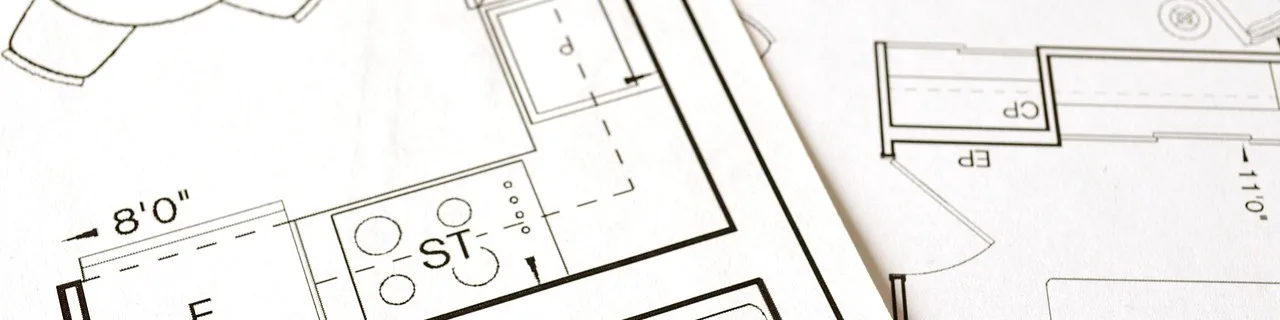
Ask what drawings are available and how complete they are. A contractor can price more confidently when plans show dimensions, materials, structural details, fixture locations, and any special requirements. If the project is still in early planning, ask what level of design detail is needed before the contractor can provide a reliable quote.
Drawings also reduce the chance of disagreement later. When the plan is clear, it is easier to tell whether a requested change is part of the original scope or a separate cost item.
What should be included in the quote
A useful quote should list the main work items and note any assumptions. It should not be just a single total. Ask each contractor to explain what is included in labour, materials, supervision, and coordination of trades where applicable.
Common items that should be addressed in writing include:
- Demolition and debris removal
- Framing and structural work
- Insulation and air sealing
- Drywall, taping, and painting
- Flooring, trim, and cabinetry
- Electrical, plumbing, and HVAC coordination
- Permits, inspections, or who is handling them
- Cleanup and site protection
If a quote does not show these details, ask for clarification before you compare it to other proposals. A lower number can simply mean fewer items are included.
Exclusions matter as much as inclusions
Exclusions are just as important as inclusions. If something is not part of the price, you should know it up front. Exclusions often involve finish selections, permit fees, engineering, unforeseen repairs, site upgrades, or owner-supplied materials.
Ask each contractor to state exclusions clearly. That makes it easier to compare quotes and reduces the risk of dispute when the project is underway.
How to think about scheduling
Scheduling is more than a start date. It should explain when the work is expected to begin, how long the contractor expects each phase to take, and what could affect the timeline. Renovations and additions often depend on design approvals, material lead times, inspections, weather, and trade availability.
A practical schedule should also show whether the contractor is managing multiple jobs at once. That does not automatically mean slower work, but it is a fair question to ask when you are comparing proposals. You want to know how the contractor plans to keep your project moving and who your day-to-day contact will be.
For occupied homes, ask how the work area will be contained and what access will be needed. If the project affects kitchens, bathrooms, or exterior access, the schedule should reflect those disruptions.
Change orders: ask how they are handled
Change orders are a normal part of many renovation and addition projects. The important question is not whether changes will happen, but how they will be documented. A good contractor should explain how extra work is approved, priced, and added to the project.
Ask these questions before you sign anything:
- What counts as a change order?
- How is extra work approved?
- Will changes be priced before the work starts?
- How are schedule impacts handled?
- How are material substitutions approved?
This matters because change orders can affect both cost and timeline. If the process is unclear, disagreements are more likely when the project is already in progress.
Responsibility questions to ask
One of the best ways to compare general contractors is to ask who is responsible for each part of the job. Renovations and additions involve many moving pieces, and responsibility should be clear before work begins.
Good questions include:
- Who is managing permits and inspections?
- Who schedules trades and deliveries?
- Who protects existing finishes and furnishings?
- Who handles site cleanup?
- Who is the point of contact for questions during the project?
- Who is responsible if hidden conditions are discovered?
These questions help you understand the contractor’s process, not just the final number. A detailed answer can show whether the contractor has a defined system or is relying on informal assumptions.
How to compare proposals fairly
The fairest comparison uses the same information for every contractor. If one proposal includes more detail, ask the others to respond in the same format. That gives you a better picture of how each contractor thinks about the project.
You can compare proposals using a simple checklist:
| Comparison item | What to look for |
|---|---|
| Scope | Is the work described clearly and completely? |
| Drawings | Are the plans detailed enough to support the quote? |
| Inclusions | Does the quote show what is covered? |
| Exclusions | Are the missing items written down? |
| Schedule | Are timing assumptions explained? |
| Change orders | Is there a clear approval process? |
| Responsibility | Do you know who handles permits, trades, and coordination? |
This kind of comparison is usually more useful than choosing the lowest number. A complete proposal can cost more at the outset, but it may reduce the chance of missed work, misunderstandings, or budget changes later.

Permit questions to confirm for your project
In St. Thomas, permit needs should be confirmed for the specific project. Rather than assuming the answer, ask the contractor how they approach permit planning and which approvals they expect to be needed. Depending on the project, the relevant authority may need to review the design before work begins.
Ask whether permit drawings are included, whether a designer or engineer needs to be involved, and who will submit documents if required. If the contractor is not handling permits directly, ask who is and how that coordination works. The right answer depends on the scope, so it should be confirmed early.
Signs of a strong contractor conversation
When you compare contractors, pay attention to how they answer questions. A strong conversation usually includes clear explanations, a willingness to define assumptions, and a straightforward explanation of what is not included. You should feel like the project is being planned carefully, not rushed into a number.
Useful signs include:
- The contractor asks detailed questions about the site and the goals
- The quote is written clearly enough to compare
- Responsibilities are explained before the job starts
- Change orders are handled through a defined process
- Questions about permits and inspections are addressed without guesswork
That does not replace your own review, but it gives you a better basis for comparison.
FAQs
Should I compare contractors only by price?
No. Price matters, but it should be compared with scope, exclusions, schedule, and responsibility. A quote that looks lower may leave out important parts of the project.
Do I need drawings before asking for a quote?
More complete drawings usually lead to better quotes. A contractor can still talk through early planning, but a detailed proposal is easier to compare when the drawings are clear.
What if the contractor’s quote is missing details?
Ask for a revised written proposal. You want enough detail to understand what is included, what is excluded, and how changes will be handled.
Can I assume permits will be needed for my renovation or addition?
No. Permit needs are project-specific and should be confirmed for your actual property and scope of work.
Why do change orders matter so much?
They control how extra work is approved and priced. A clear change order process helps prevent disputes and keeps the project easier to manage.
For broader local browsing, you can also start at the St. Thomas, Ontario city page linked in the directory. From there, you can compare related home and property services as needed.